
Pedestal Display Stand
Plan pedestal display stands and retail plinths around the object, viewing height and available floor space. Compare shapes and finishes without losing sight of support and placement requirements.
Record the displayed item’s dimensions, weight and contact points before choosing a plinth. A photograph does not establish load capacity or stability. Any lighting, storage or fixing features should be included explicitly in the proposed specification rather than assumed from the general product category.
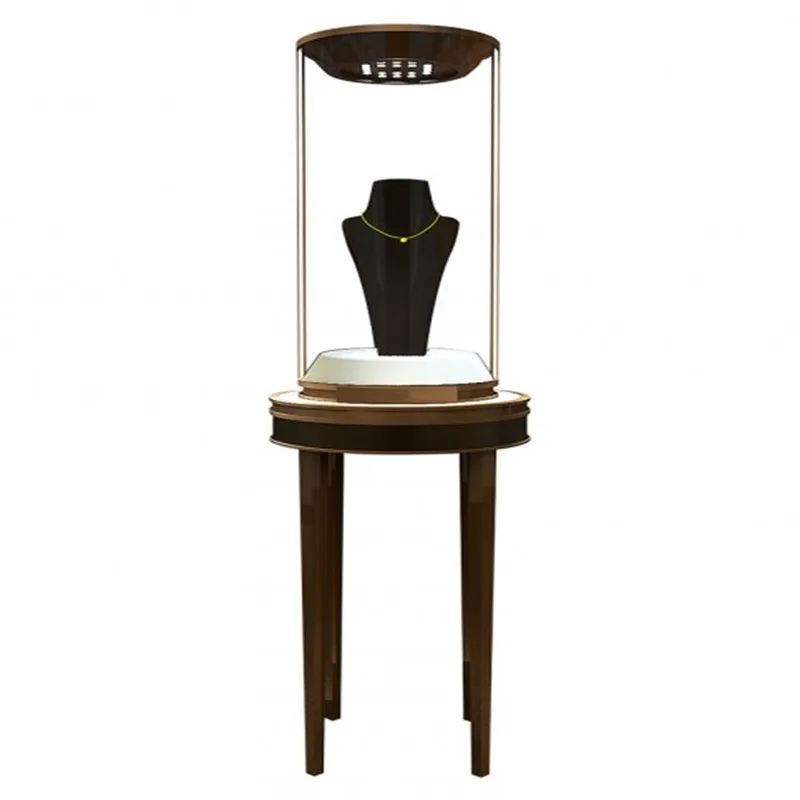
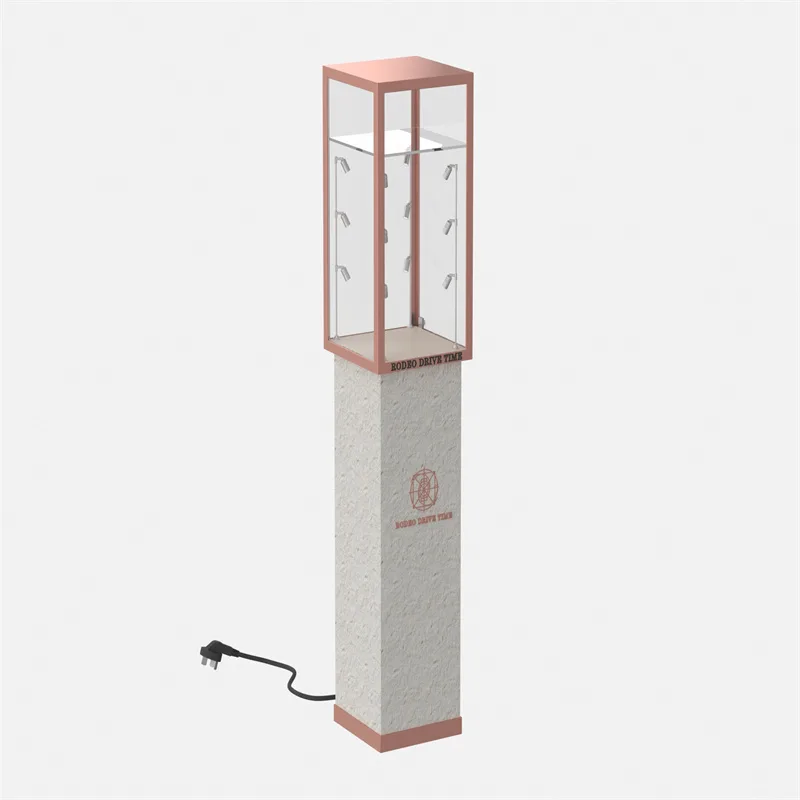
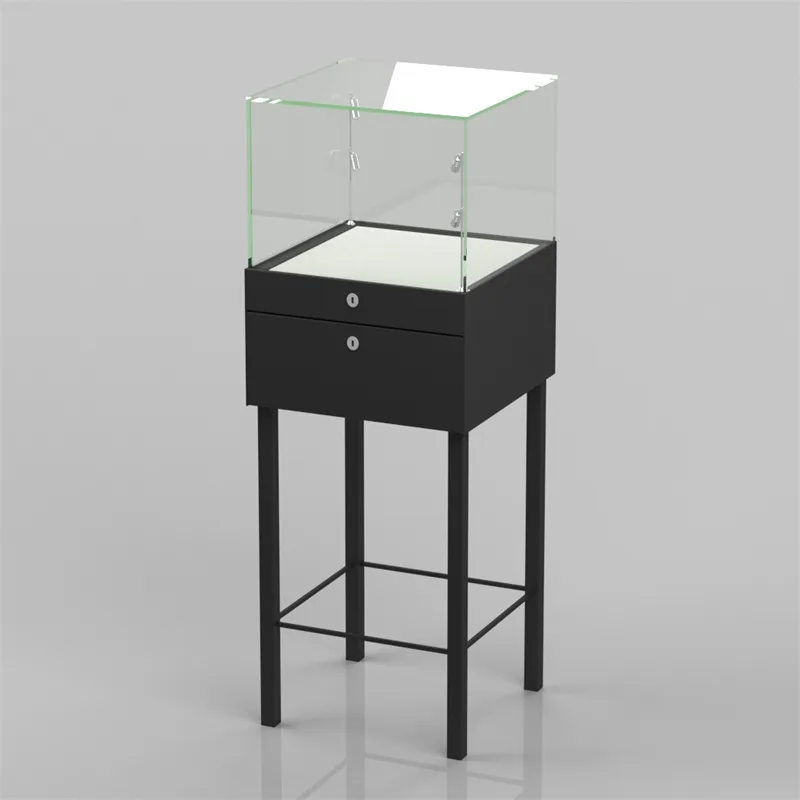
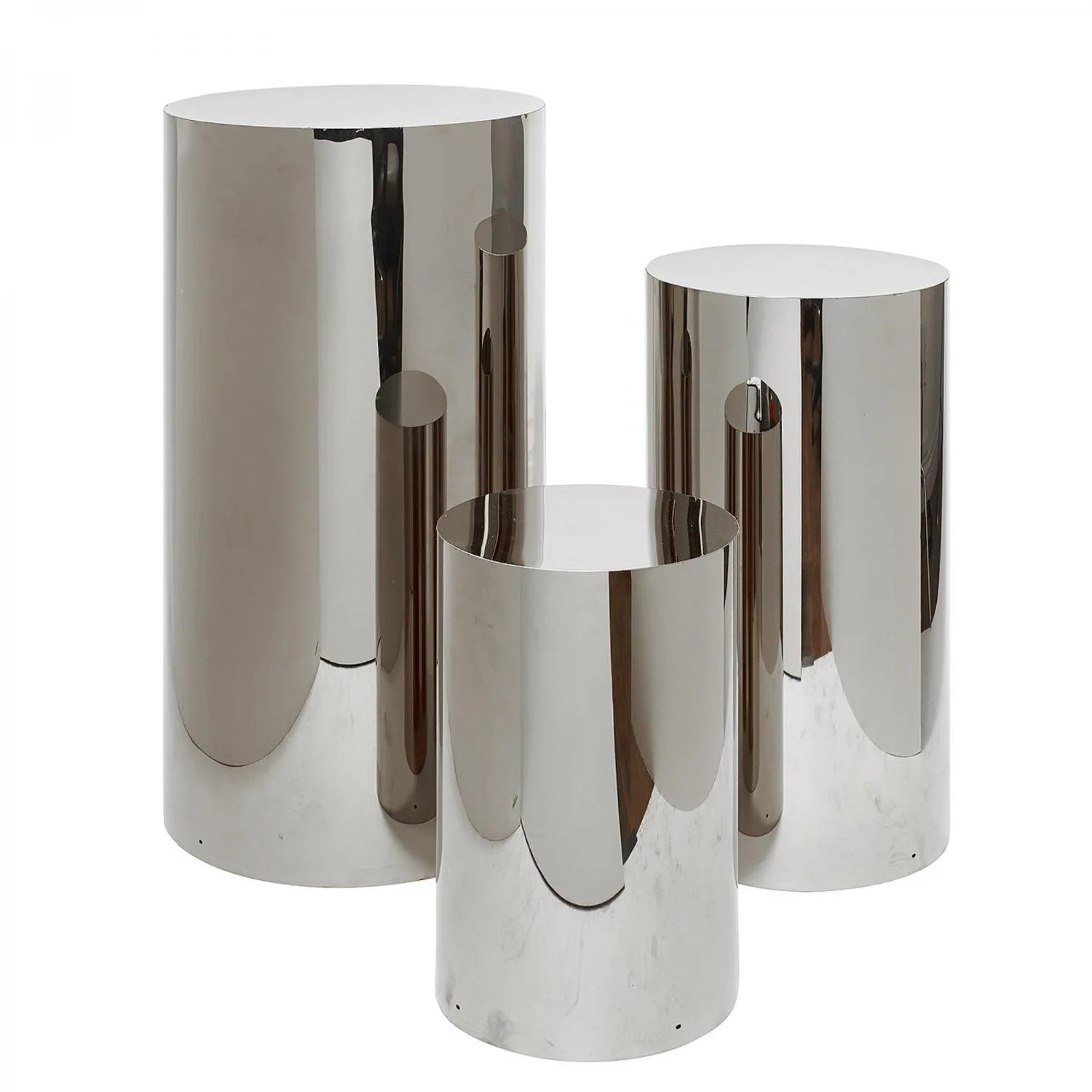
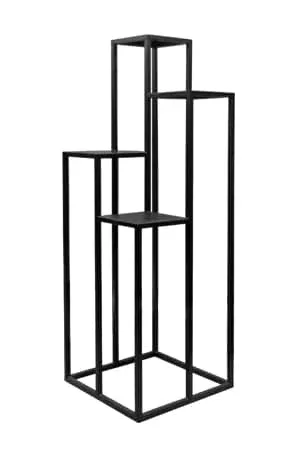
Pedestal Display Cases & Showcases
Showing 1–12 of 14 products
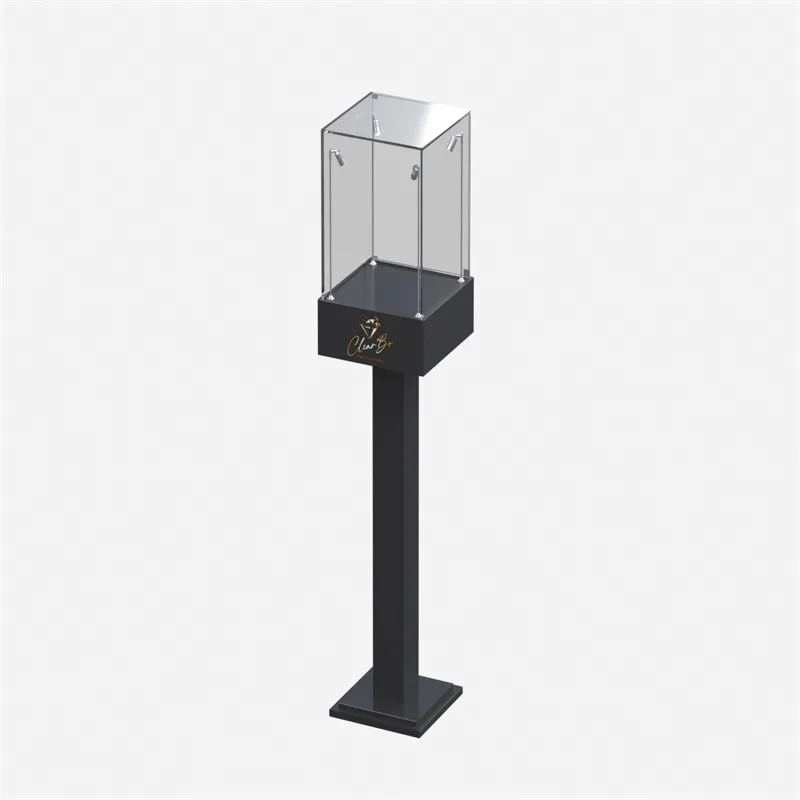
Black Upright Post Jewelry Display Case High Quality Jewelry Display Showcase
View Details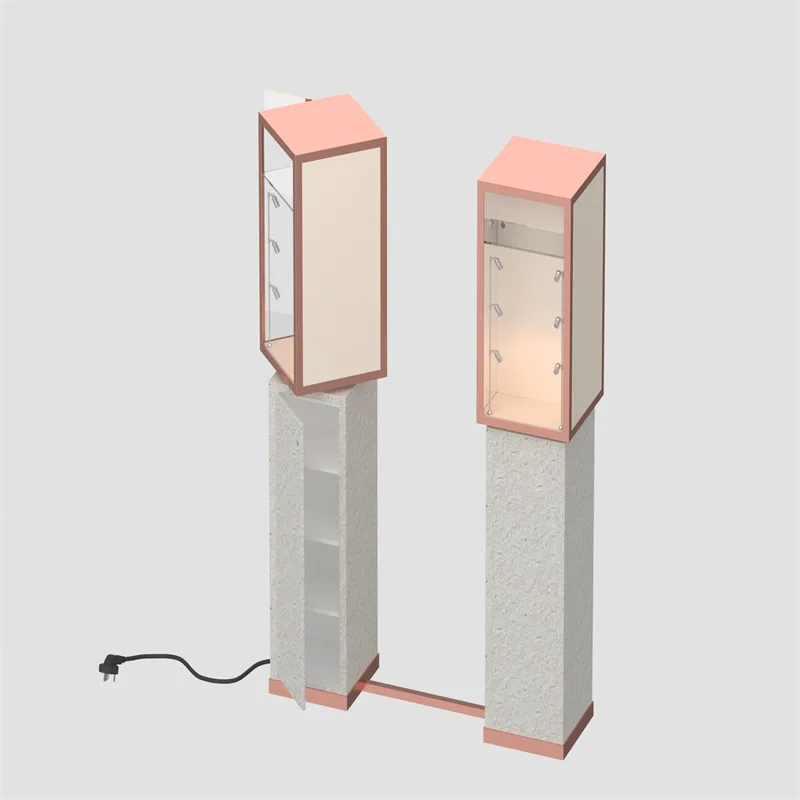
Charming Glass Rotating Jewelry Stand Rose Gold Stainless Steel Jewelry Display Showcase
View Details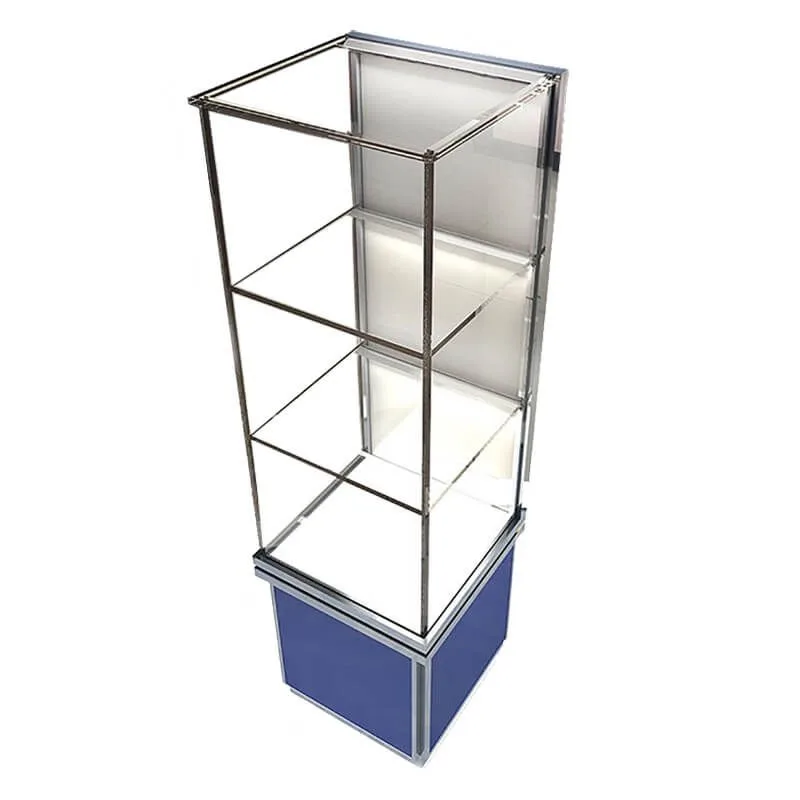
Customized jewelry display cabinet glass display showcase for jewelry store
View Details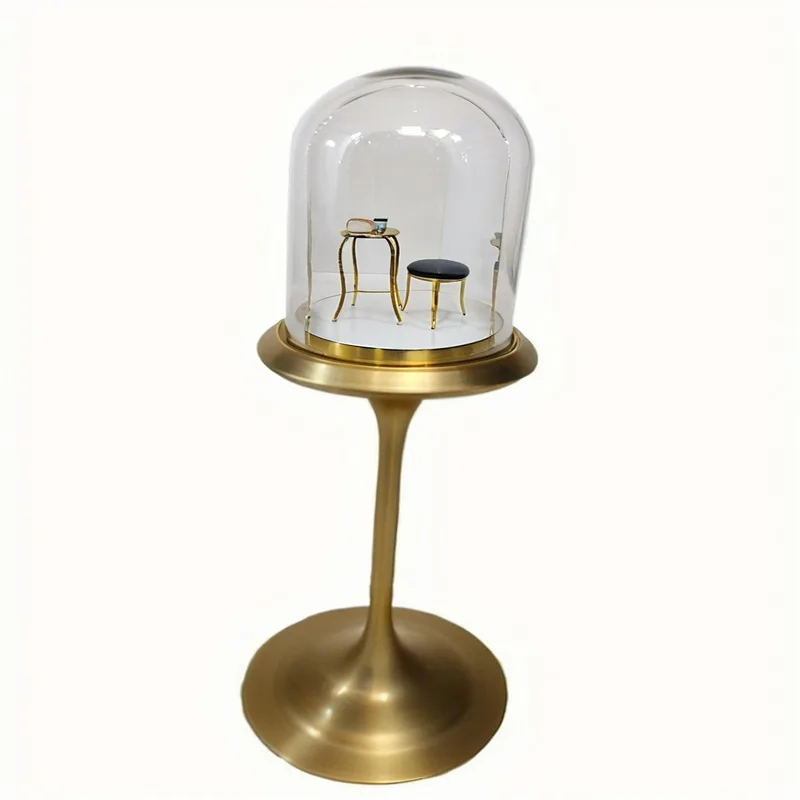
Golden Lamp Shape Jewelry Display Stand & Jewelry pedestal stand for retail shop
View Details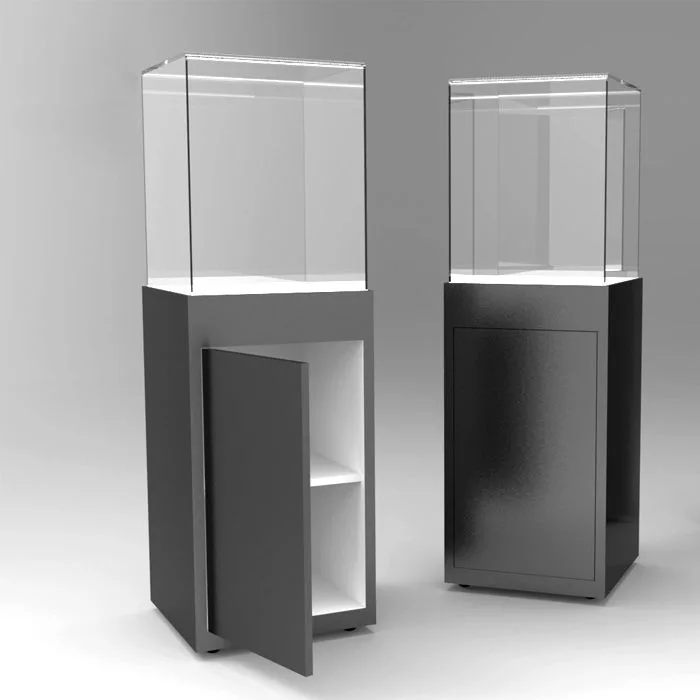
High End Jewelry Shop Custom Jewelry Display Stands, Pedestal Showcase With Storage
View Details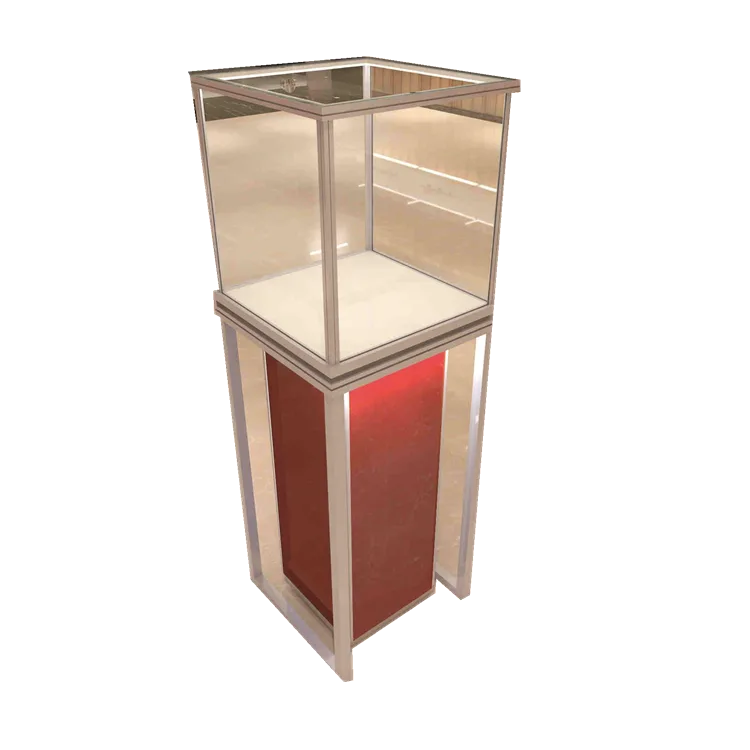
Hot sale Jewelry display cabinet design retail shop display cabinet
View Details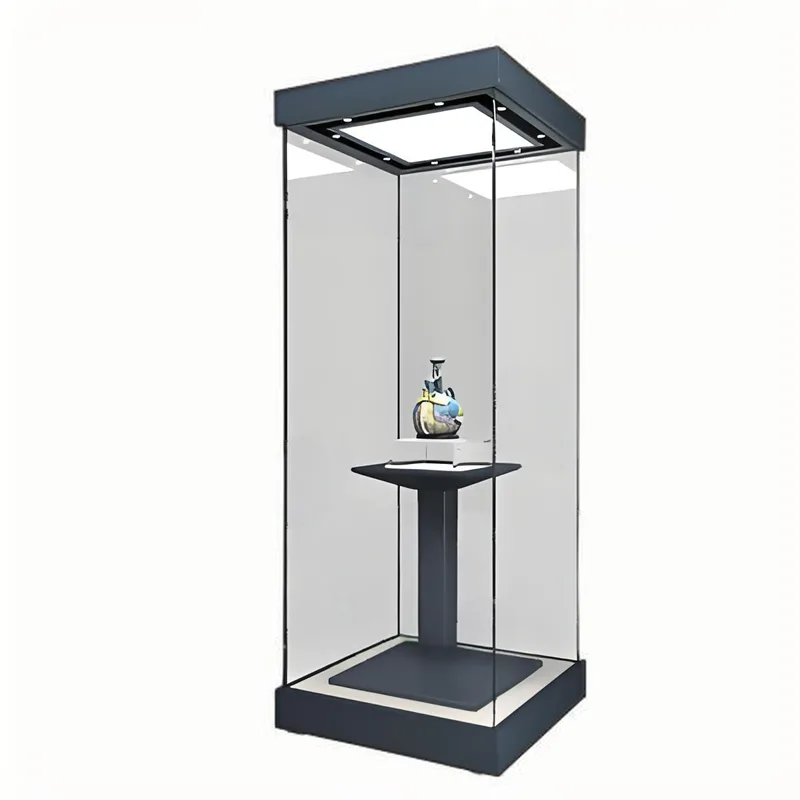
Jewelry-Black Pedestal Stand & High- Quality Jewelry Showcase For Sale
View Details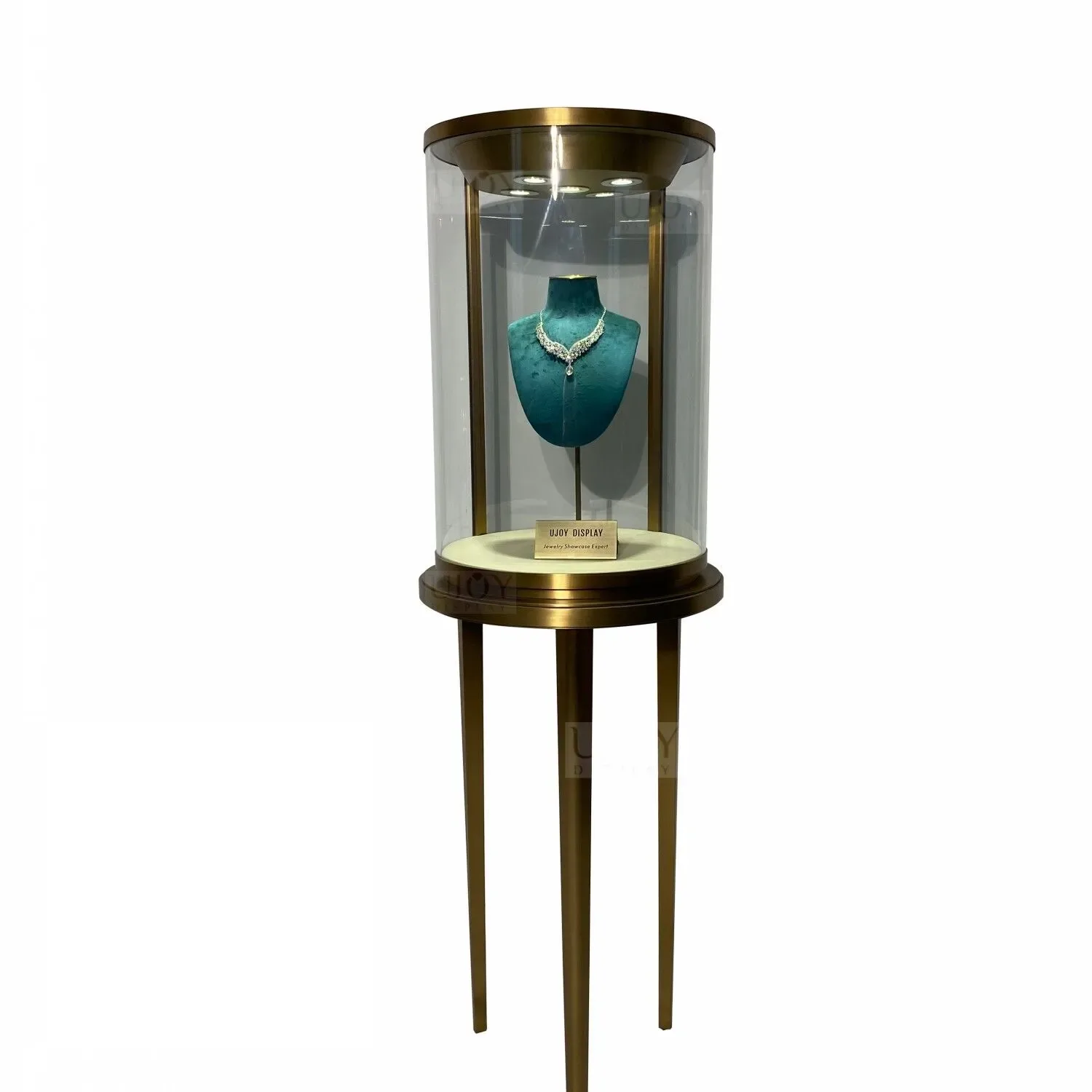
Luxury Round Stainless Steel Jewelry Tower Display Stand For Shop
View Details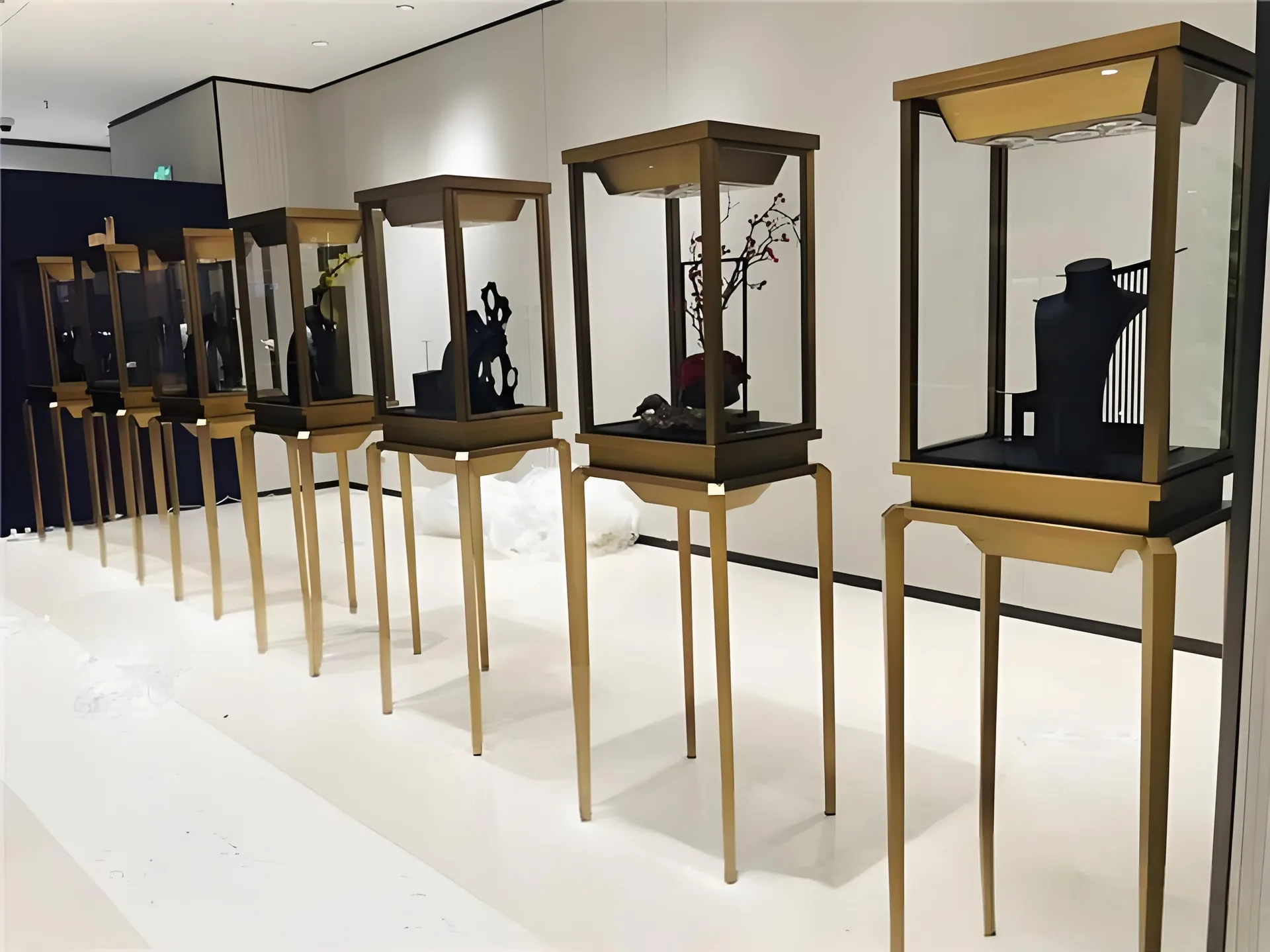
Mental Jewelry Pedestal Stand & Design Jewelry Shop Furniture For Sale
View Details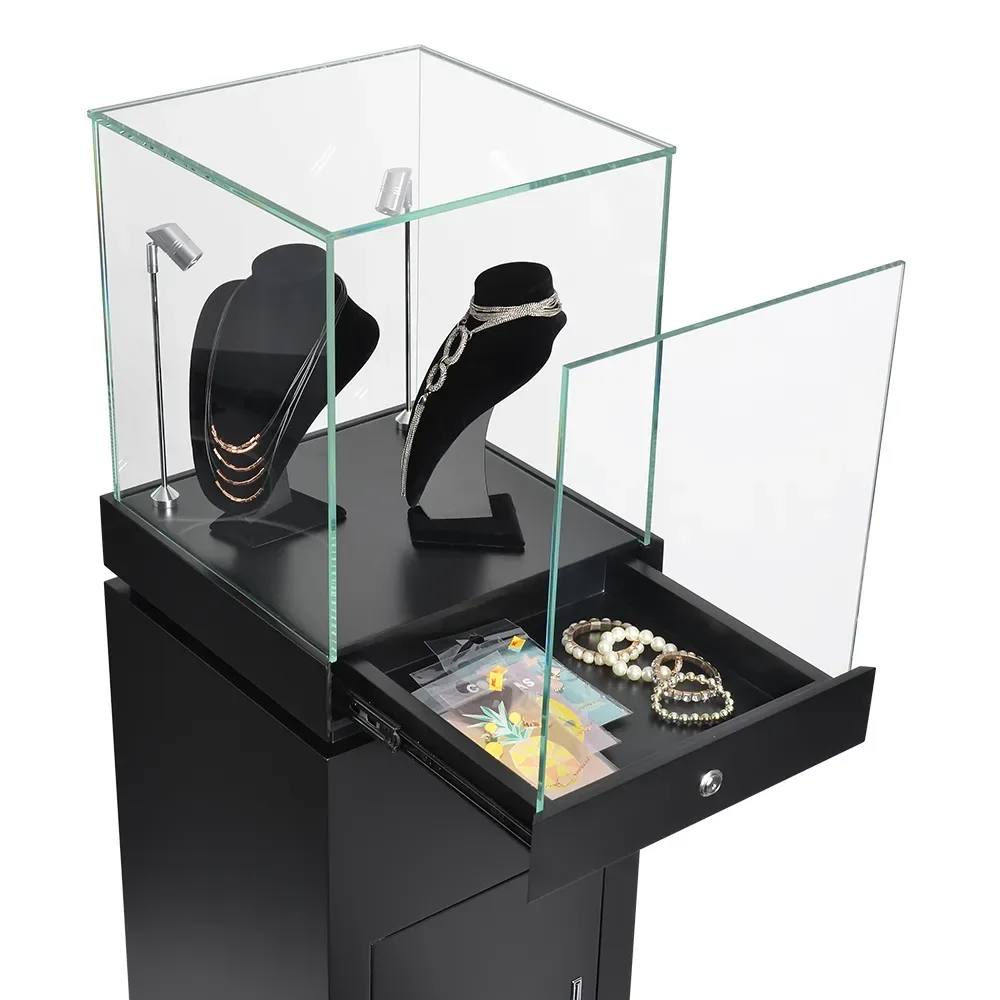
Premium Lighted Jewelry Display Stand Showacse with Secure Storage & Adjustable Lighting
View Details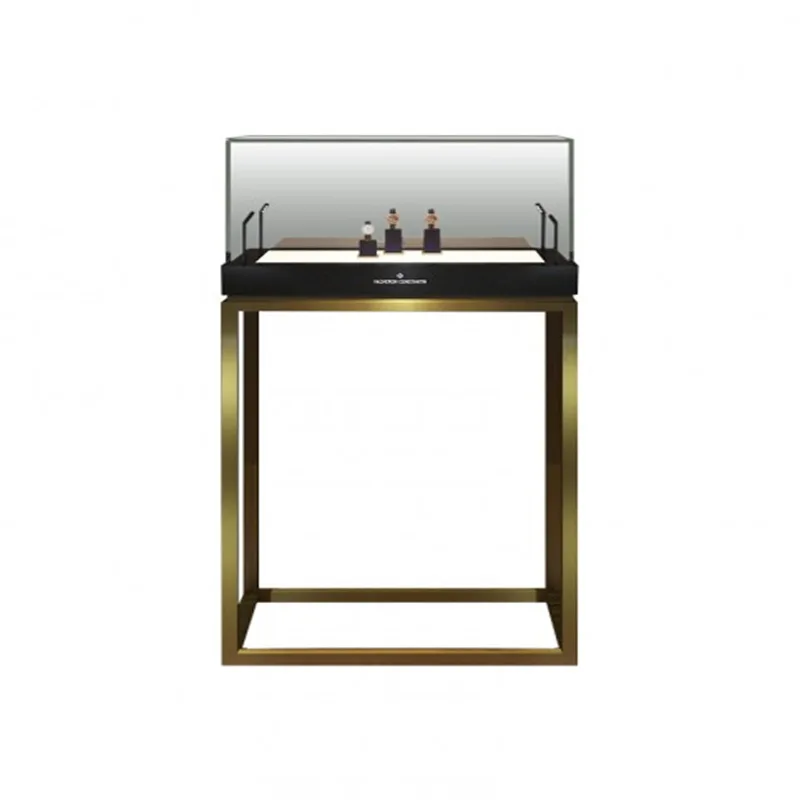
Rectangular luxury jewelry display cabinet diamond display furniture
View Details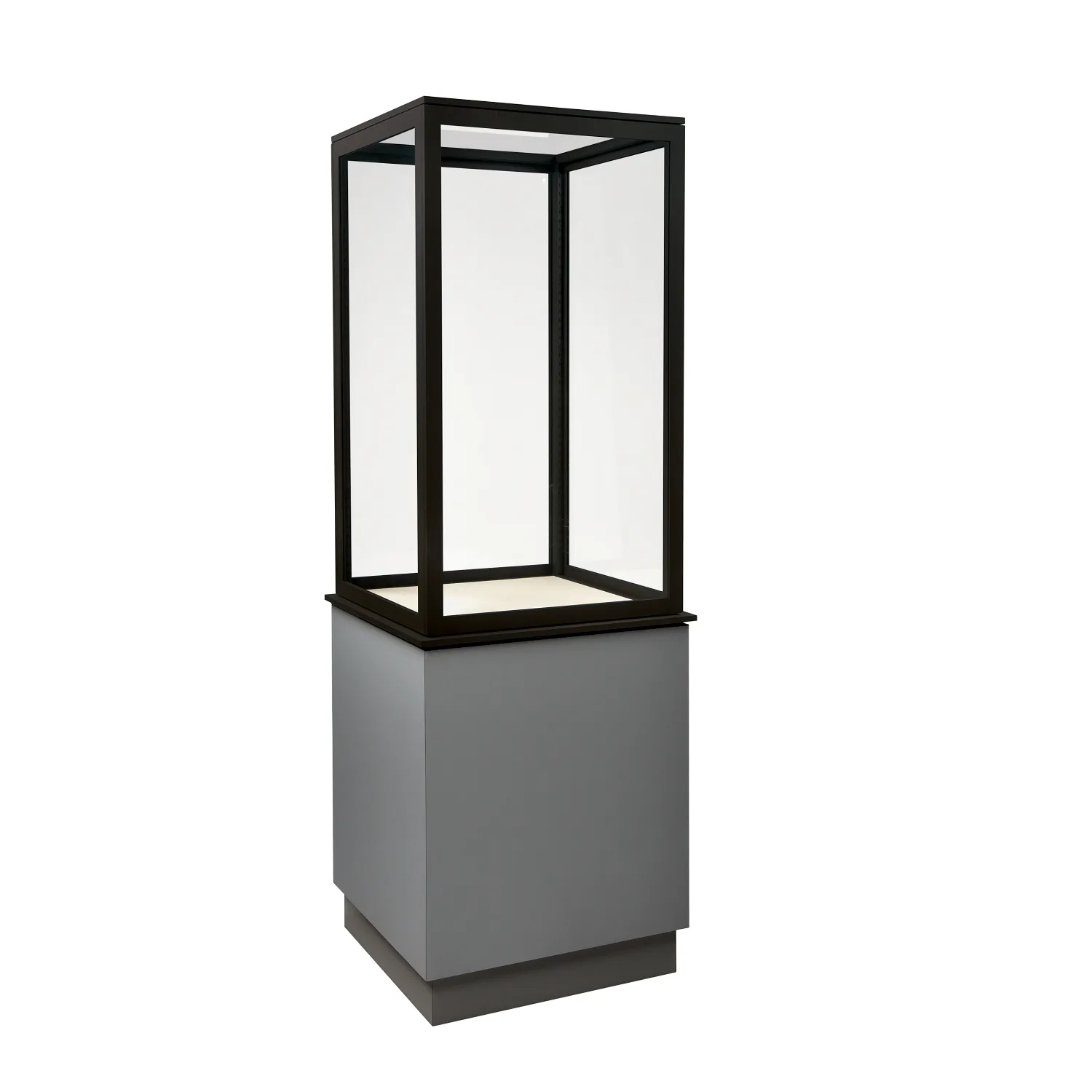
RT52 Stainless Steel Frame Pedestal Glass Showcase for Jewelry Shop & Museum
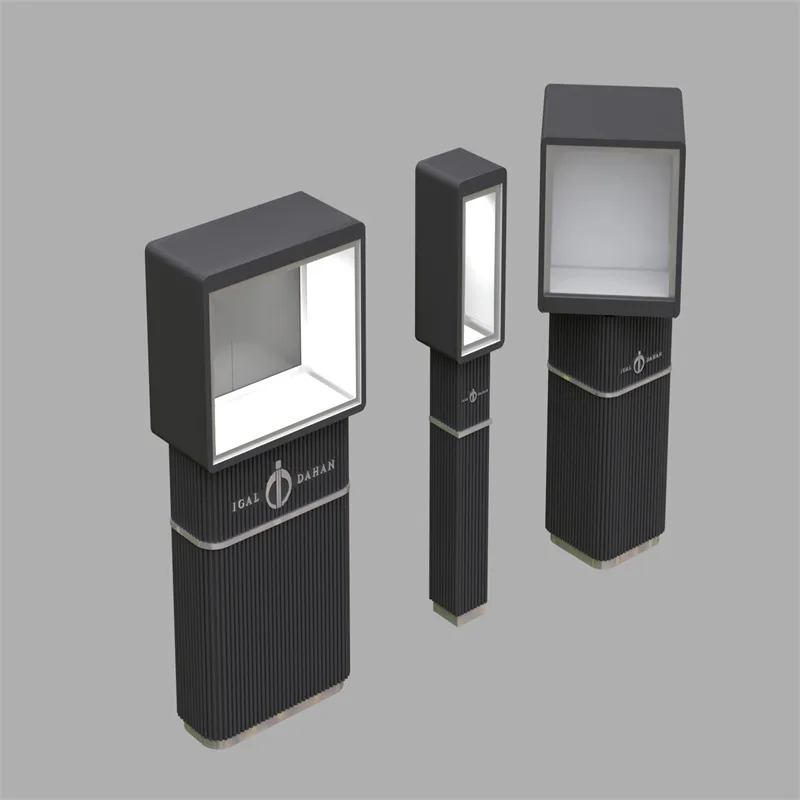
View DetailsUse Benson Display’s reference selection to explain the arrangement you have in mind. Identify whether the plinth will hold one focal object or belong to a group. Confirm the proposed materials and dimensions for your application before ordering. The upright jewelry display reference illustrates a related format to consider alongside open plinths.
Match the Pedestal to the Object
A pedestal raises an object into a chosen viewing position. Its top should relate to the item’s footprint, while the base and overall height need review for the placement. Start with these relationships before adding decorative features or selecting a finish.
For a group of objects, decide what customers should notice first. Different heights can create a sequence, but the arrangement still needs clear views and sufficient separation. Check the group from the main approach as well as from directly in front.
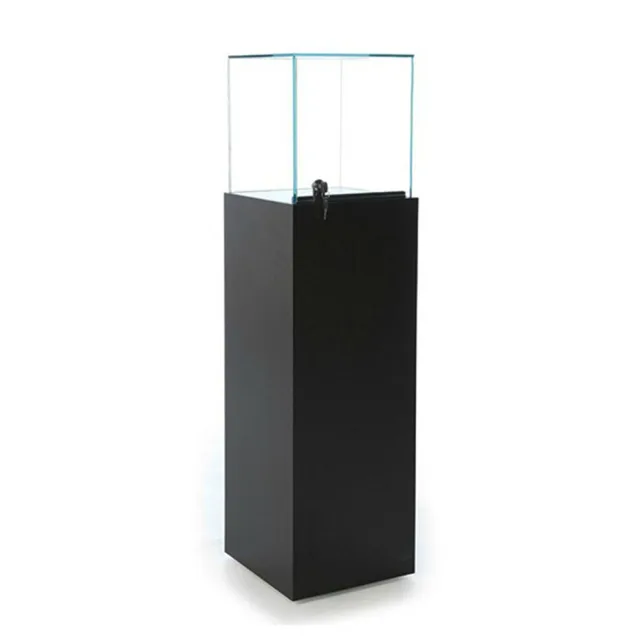
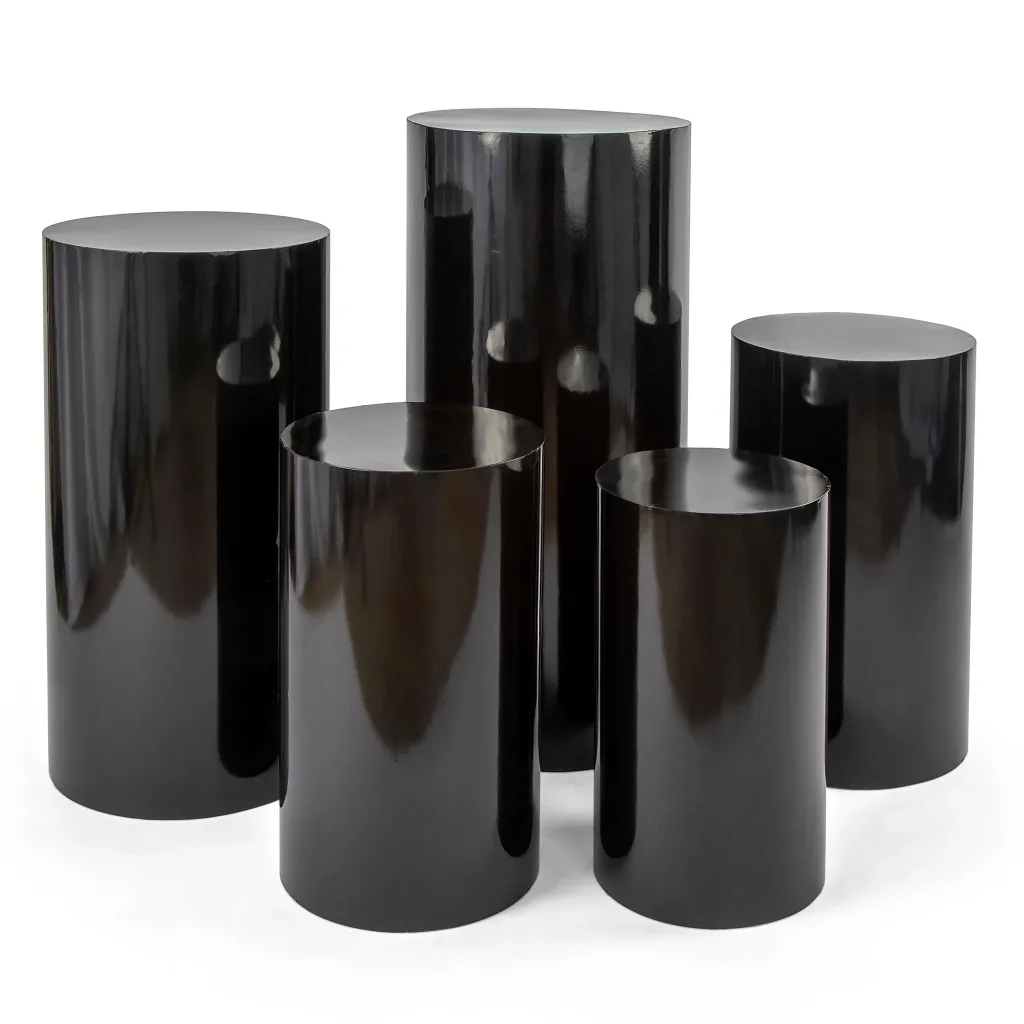
Compare Round, Square and Tapered Plinths
Round plinths can give a display a softer outline. Confirm the usable top diameter and consider the item’s position on that surface. Review the finish alongside the displayed object so that strong reflections or texture do not distract from it.
Square and rectangular plinths make the footprint easy to coordinate with walls or neighboring units. Use actual object dimensions when selecting the top rather than estimating from a photograph. Leave space for labels without crowding the item.
Tapered or geometric forms can be useful when the base itself is part of the visual concept. Their proportions should be reviewed alongside support requirements. A narrow-looking design should not be treated as suitable for a tall or heavy object without confirmation.
Plan Jewelry Pedestal Displays
A jewelry pedestal may support a display pad, a presentation tray or a separate glazed case. Define which arrangement is intended. These choices affect the top dimensions, access and the amount of space needed for a customer presentation.
Identify any required locks, drawers or fixing points in the brief and ask what is included in the proposal. Do not infer security or anti-tip performance from an enclosed appearance. Coordinate the fixture with the shop’s broader handling and security procedures.
Choose a finish that supports the jewelry and surrounding counters. A subdued plinth can keep attention on the item, while a contrasting base may mark a particular collection. Review samples under the intended lighting before approving the final combination.
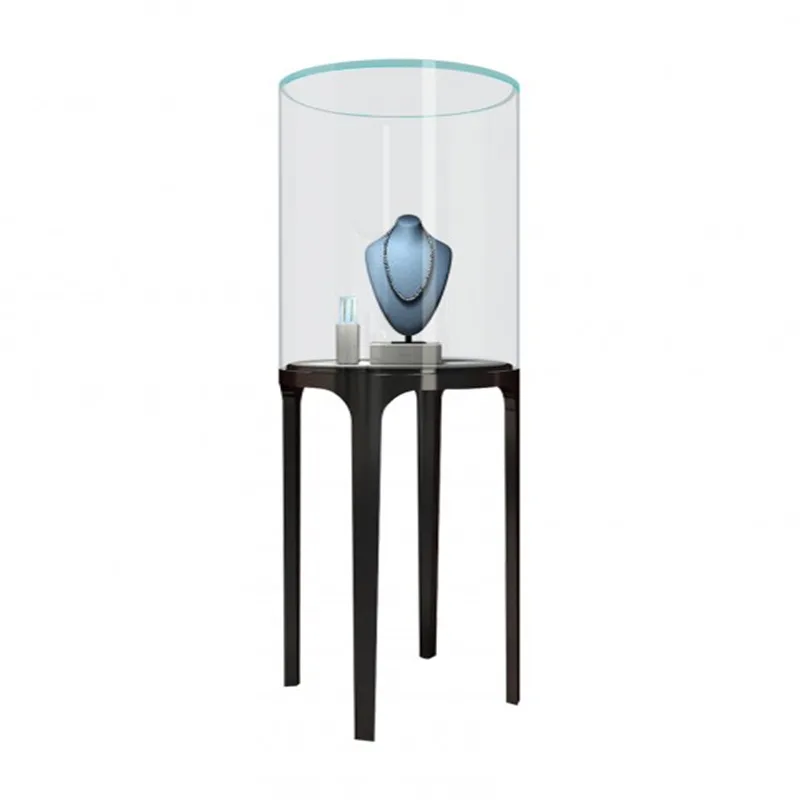
Discuss Your Plinth Requirements
Prepare a Pedestal Specification
Provide Benson Display with the object dimensions, weight information and reference images. Include the intended location and any access restrictions. A clear specification should identify the material, surface finish and support arrangement proposed for that use.
For multiple locations, state whether every plinth is identical or belongs to a size family. Identify the details that must match, such as top dimensions or finish color. Confirm any sample or drawing requirements in the agreed scope.
Compare proposals using the same size, material and included features. Clarify packing, delivery and installation responsibilities rather than assuming them from the item price. Any site-specific fixing requirements should be checked before the final order.
Coordinate a Grouped Display
Lay out the complete group with the merchandise in place, allowing space for viewers to move around it. Position labels where they can be read without obscuring the objects. The most useful arrangement is one that makes the collection understandable, not simply one with more levels.
Send the grouped layout with your enquiry so Benson Display can assess each plinth in context. Note whether the display will be rearranged for different collections and identify which dimensions need to remain consistent. Confirm the selected configuration before ordering.