
Indoor Fiberglass Planter Stands & Flower Vases
Indoor fiberglass planter stands and flower vases serve different purposes, from supporting an inner pot to holding a decorative arrangement. Identify the intended use before choosing a tall or sculptural form. Benson Display can discuss the references with your room dimensions, plant brief and finish direction. You can also review fiberglass vase when comparing the available references.
Indoor Planters
Showing 1–4 of 4 products
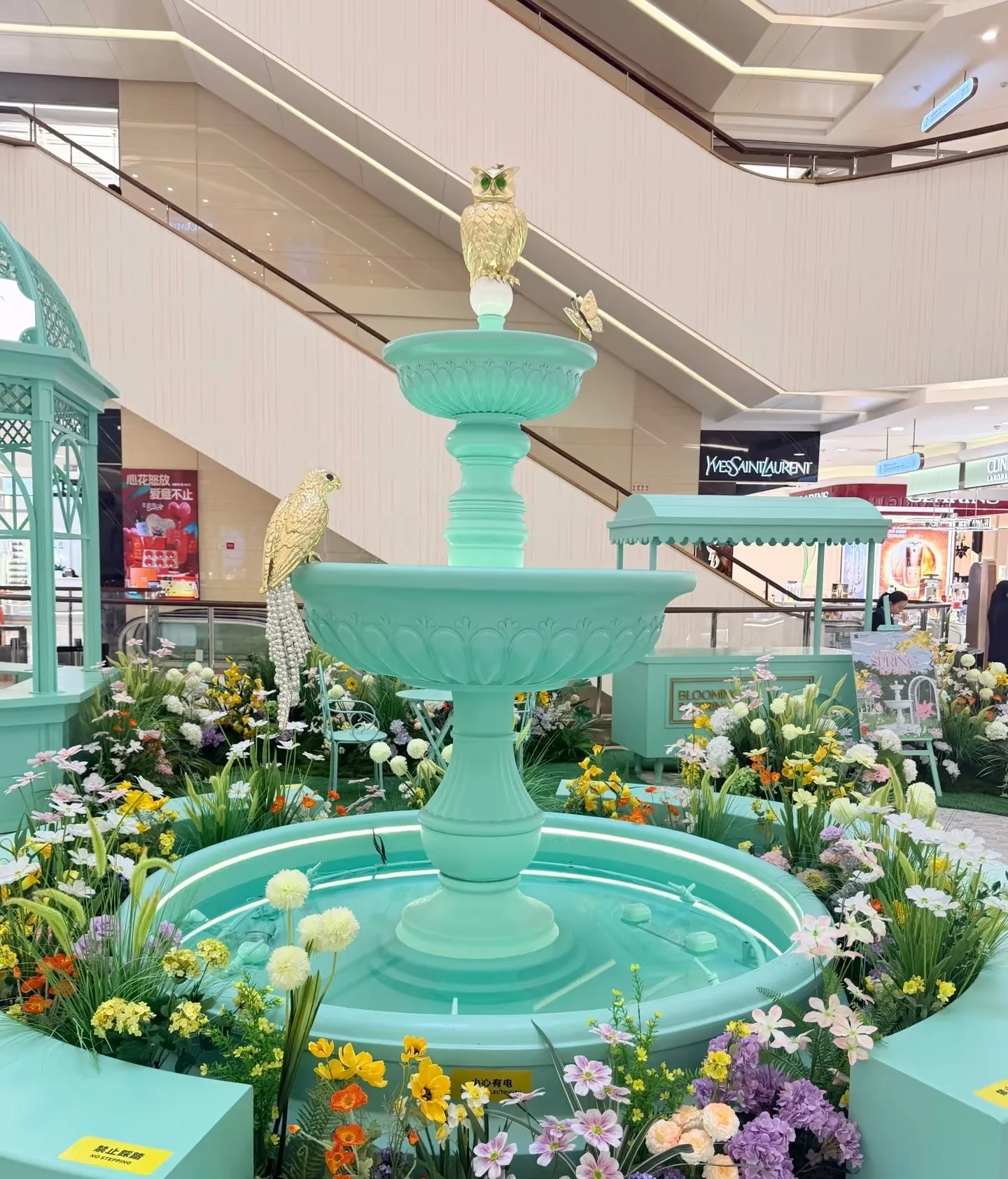
Custom Fiberglass Fountain Sculpture | Commercial Mall Decor
View Details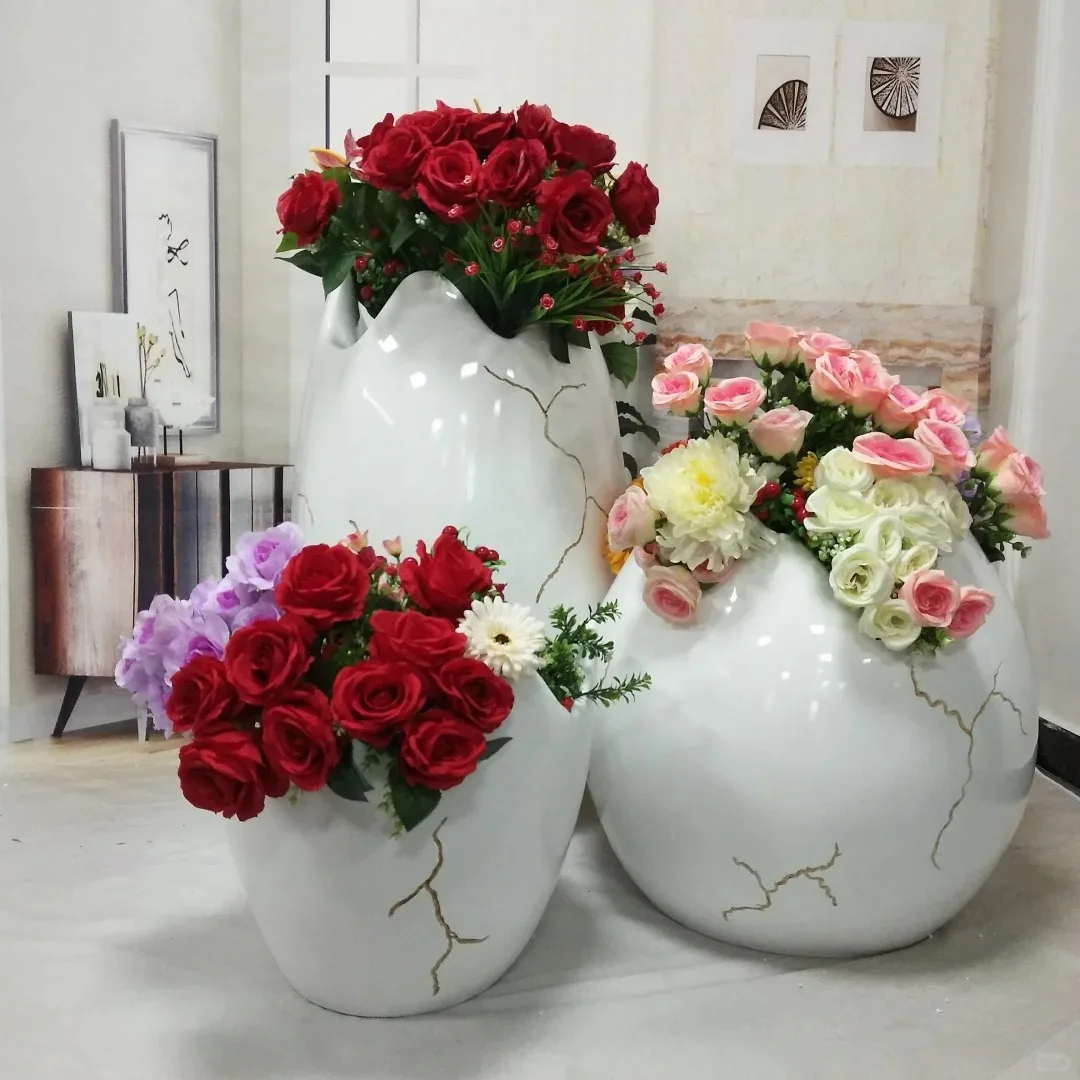
Fiberglass Egg-Shaped Planters with Gold Crack Details | Durable, Customizable Decor
View Details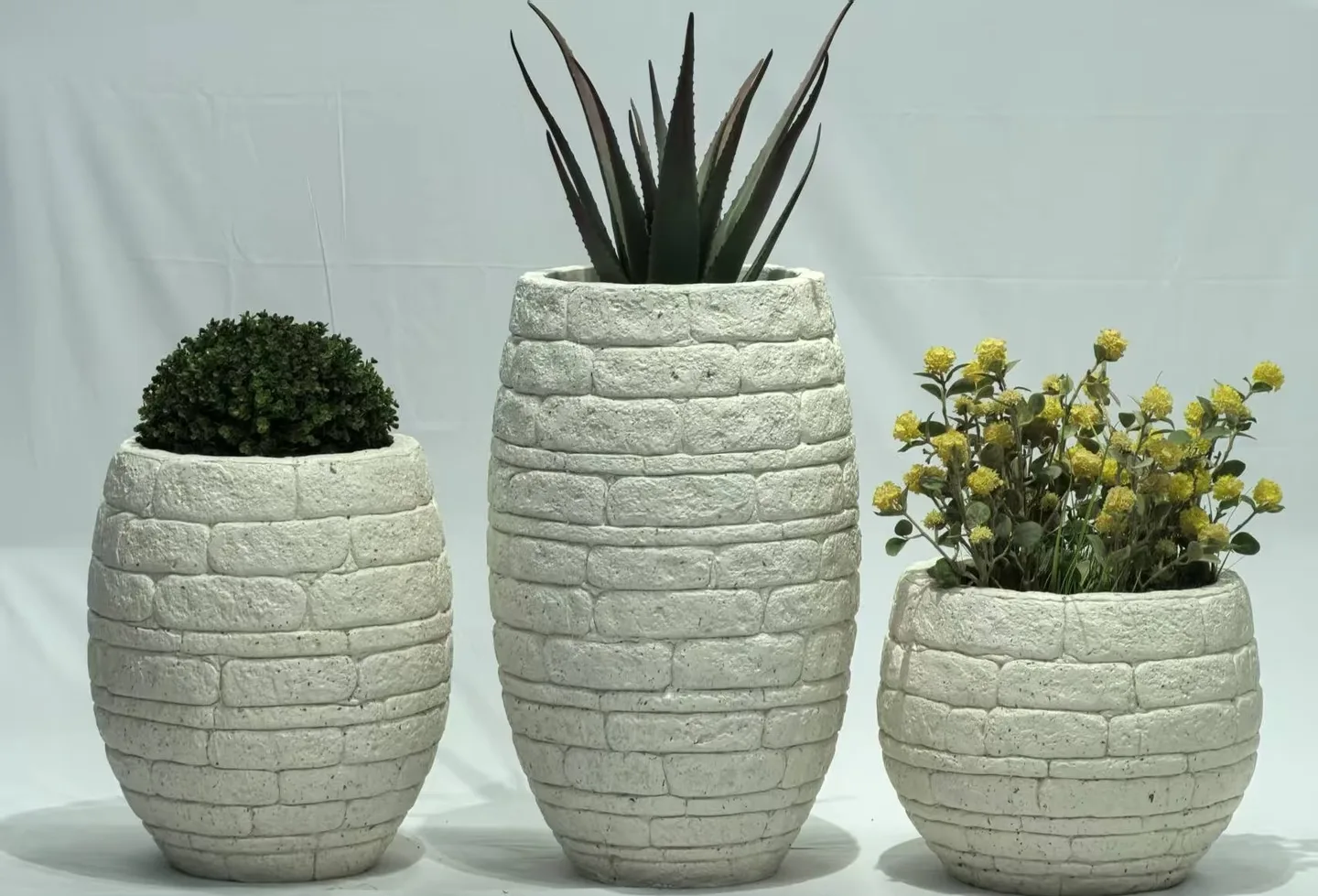
Textured Fiberglass Planter Collection – Rustic & Modern Styles
View Details
Twisted Fiberglass Planter Set – Sculptural Elegance for Luxury Lobbies
View DetailsCompare Indoor Stands and Vase Forms
For a tall floor-standing arrangement, review the combined height of stand, vessel and plant. Confirm the proposed support and loaded weight. Keep the footprint and approach space visible on the room plan rather than judging height alone. You can also review Tall floor-standing flower stands when comparing the available references.
For a multi-level stand, show which pot belongs on each position and how it will be reached. Ask for the intended loading and support details. Do not assume that every shelf or decorative tier is suitable for a planted vessel.
For a decorative vase, state whether it will hold water, an inner container or dry stems. Those uses are not interchangeable. Check the opening, interior access and supporting surface before selecting the shape.
Confirm the Proposed Specification
Ask for the proposed material, finish and any evidence relevant to the project requirements. Avoid assuming emissions, water resistance or a service life from the fiberglass label. Confirm those points for the actual specification.
A custom request should include maximum dimensions and a clear reference for the profile. Identify essential features and confirm rights to any artwork you ask to reproduce. Feasibility should be reviewed rather than assume any shape can be copied. You can also review flower stand when comparing the available references.
Agree the drawing or sample approvals, delivery scope and care information before ordering. If progress updates are important, include the expected review points in the agreement. The reference page does not establish a standard production service package.
Check Function, Finish and Handling
Review water containment and stability for the intended indoor use. A vessel that looks solid in a photograph is not necessarily suitable for direct filling. Ask whether an inner liner or separate pot is part of the proposed arrangement.
Separate the visual finish from the actual material. A stone-, wood- or bronze-like appearance can be a design reference, but it should not create an assumption about construction. Use an approved sample where appearance is important.
Plan handling with the proposed empty and loaded weights. A large planter stand may need a coordinated move even if the shell seems light. Confirm the supporting surface and protect the route before installation. You can also review flower stand when comparing the available references.
Discuss Your Indoor Planters
Prepare the Design and Approval Brief
Start by sending the room layout, plant or arrangement reference and intended function. Include the quantity, destination and requested dimensions. Explain whether the object is purely decorative or supports a separate planted container.
Review the proposed views and dimensions against the room and planting brief. Check the opening, internal space, support points and finish. Record the approved specification and any outstanding questions before authorizing production.
Request a schedule for the specific design and quantity. Agree what will be reviewed before shipment and what the delivery includes. Do not infer lead time or a particular manufacturing process from the catalog references.
Plan Care for the Selected Finish
Follow the care instructions supplied for the selected finish. Ask which cleaning products and methods are appropriate before treating stains. A routine suitable for one coating may not suit another.
If the surface is scratched, photograph the damage and seek repair guidance. Avoid sanding, polishing or repainting without confirmation, since that can change the finish. Review the placement if the object is repeatedly struck or exposed to unsuitable conditions.
Arrange periodic checks appropriate to the actual support and water-containment system. If a joint or fitting appears damaged, stop using the affected arrangement and seek advice. Store an unused vessel according to its material and care instructions.