
Glass Display Counters & Showcases For Retail Shop
Compare glass display counters and showcases for retail merchandise by viewing area, access and footprint. Start with the objects being displayed and the way staff will present them to customers.
A clear view depends on more than the amount of glass. Shelf spacing, backgrounds, labels and nearby lighting all affect the presentation. Test how these elements work together before selecting the counter finish or arranging several units into a run.
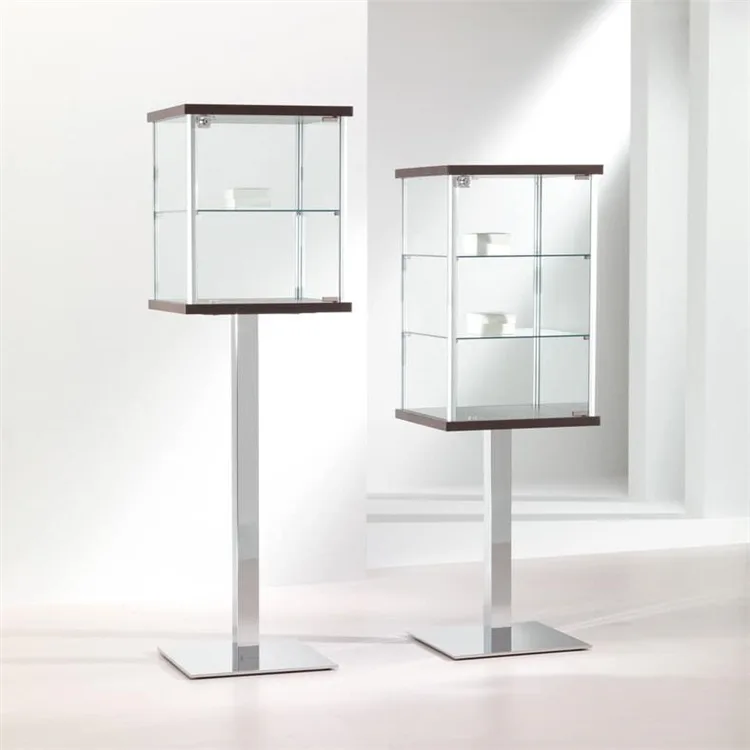
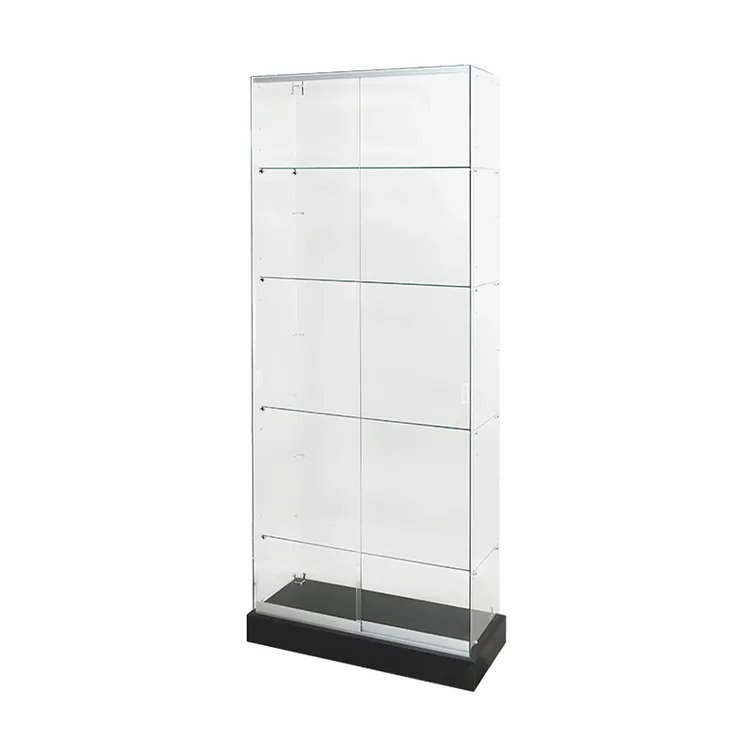
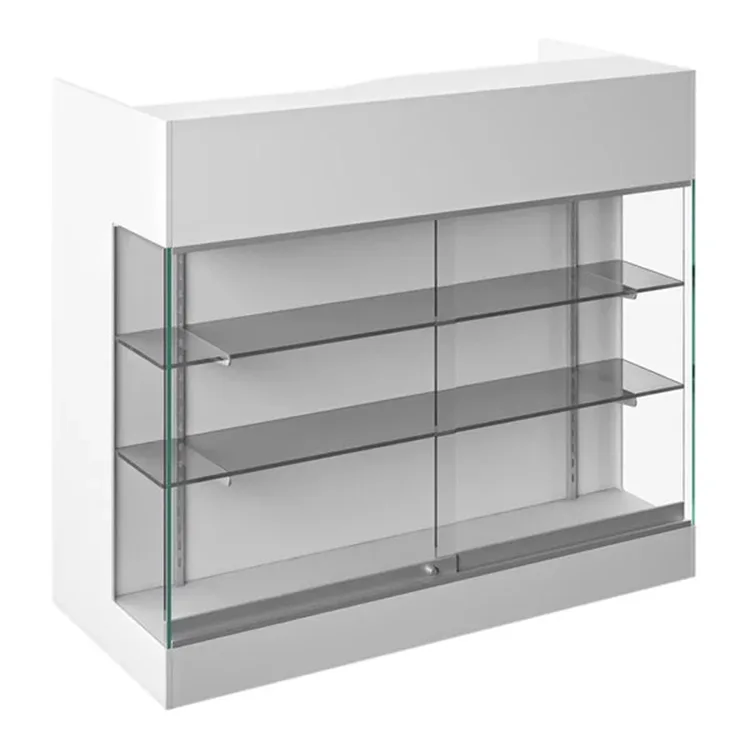
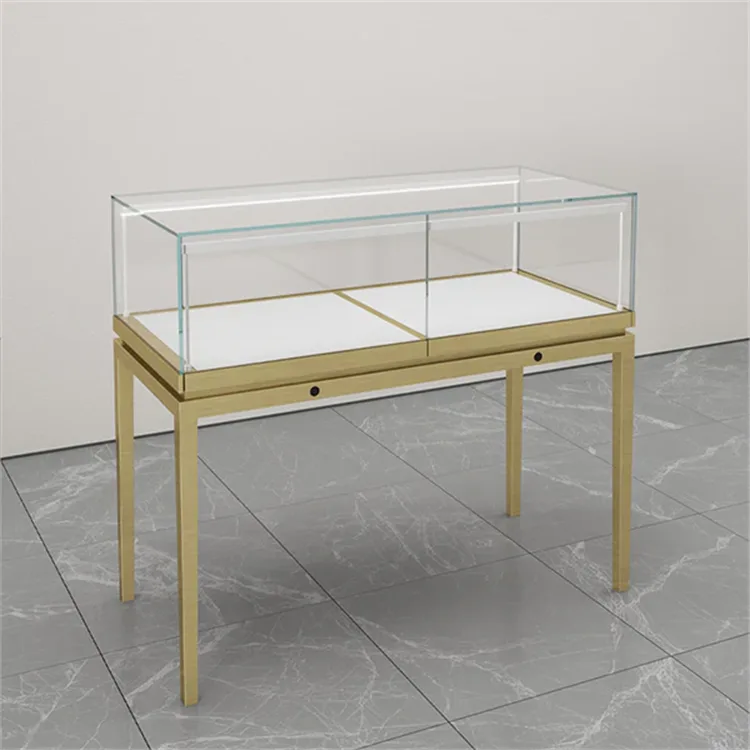
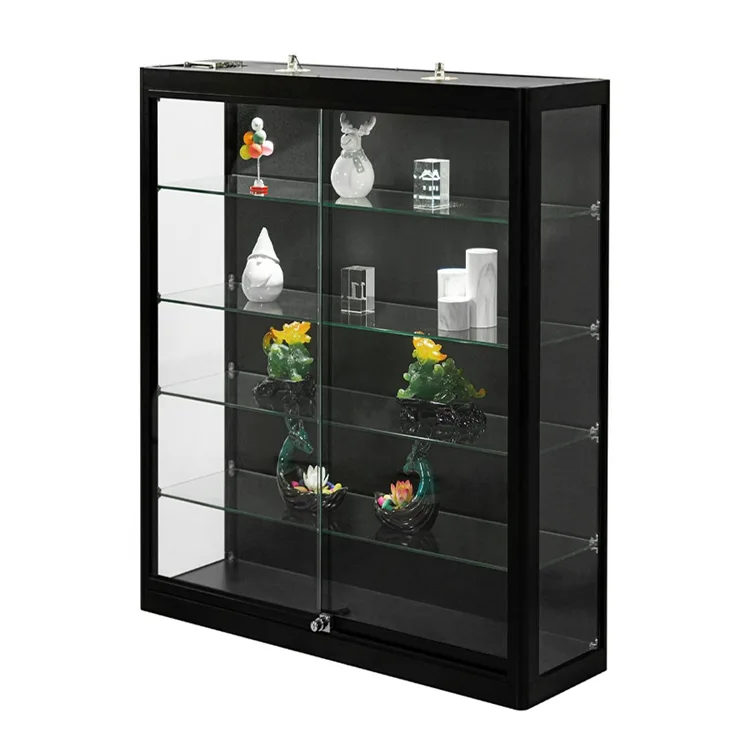
Glass Display Counters
Showing 1–12 of 27 products
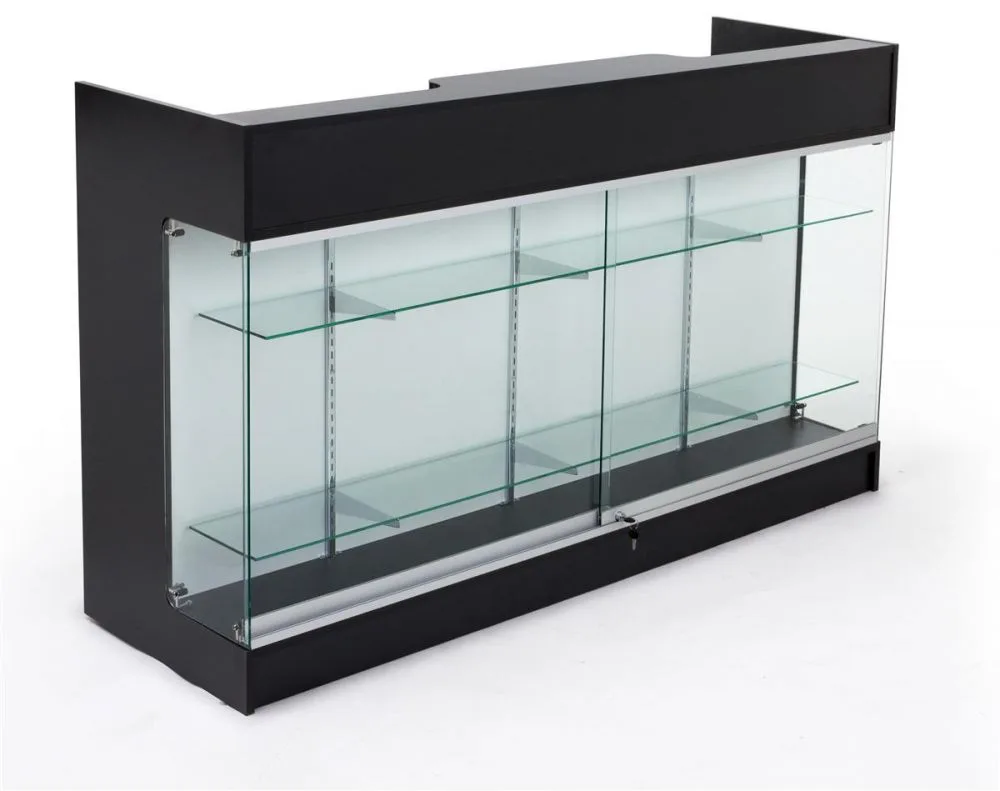
2M hot selling bags & jewelry & watches & medicine display retail cabinet for sale
View Details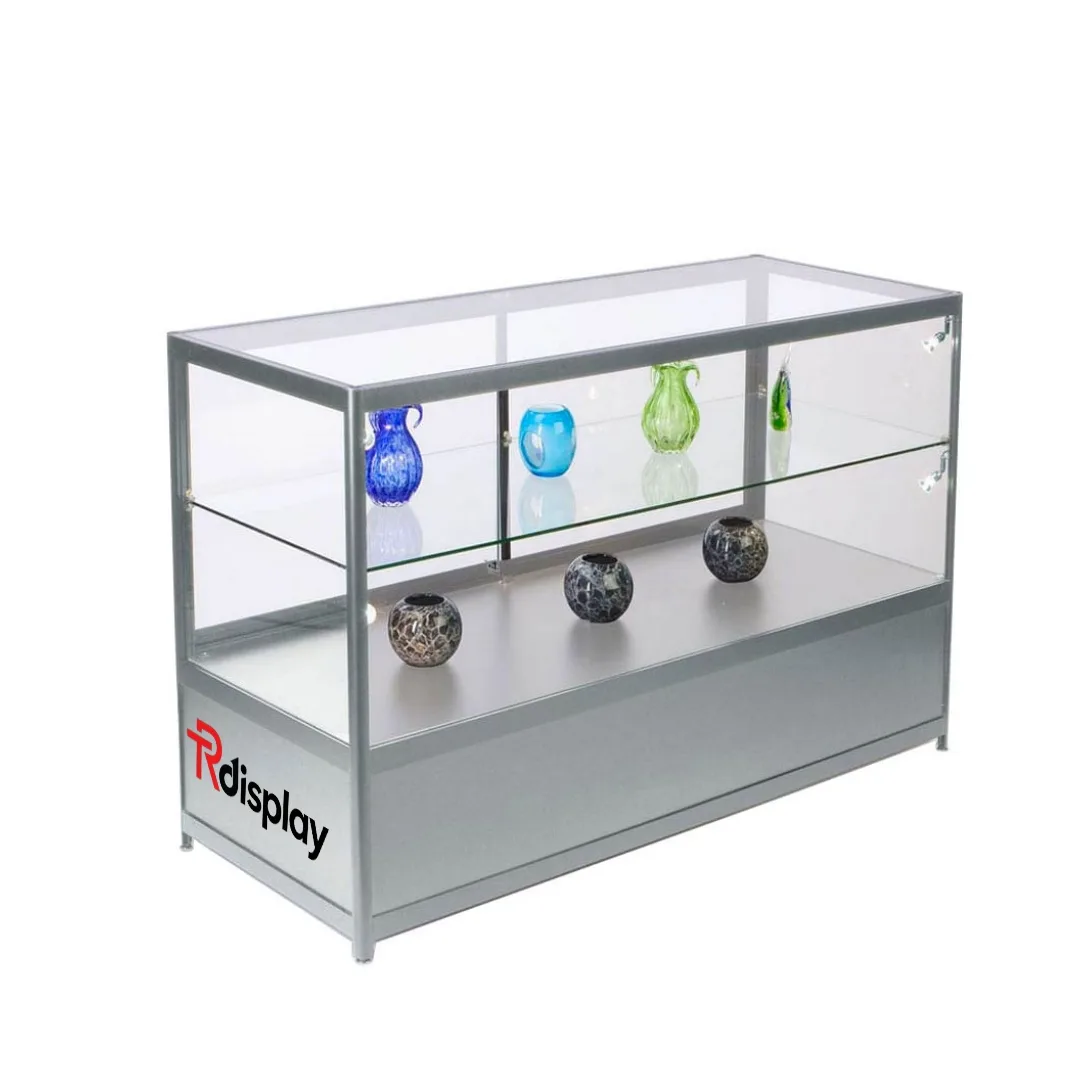
Aluminium & Glass Shop Display Counter for Digital Product Display
View Details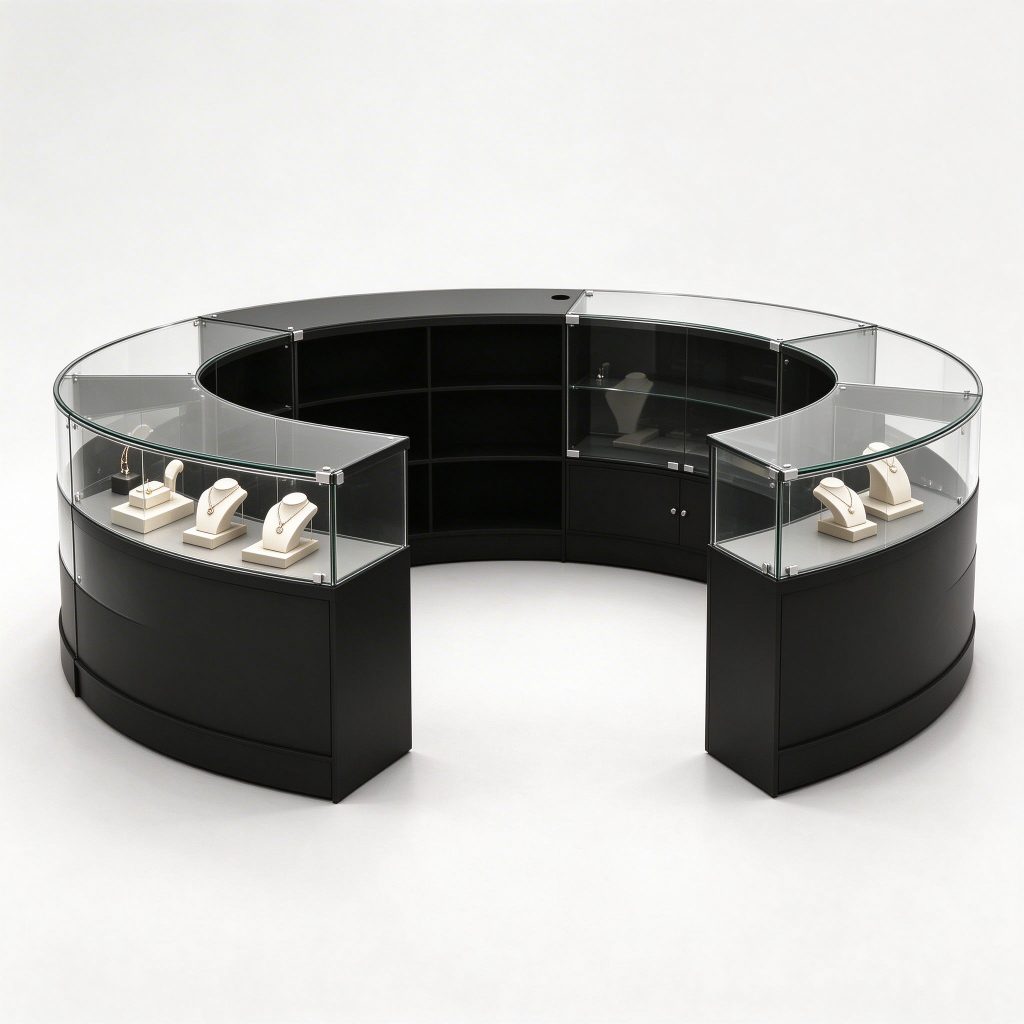
Black C-Shaped Circular Glass Display Counter with Outer Glass Showcase and Inner Shelving
View Details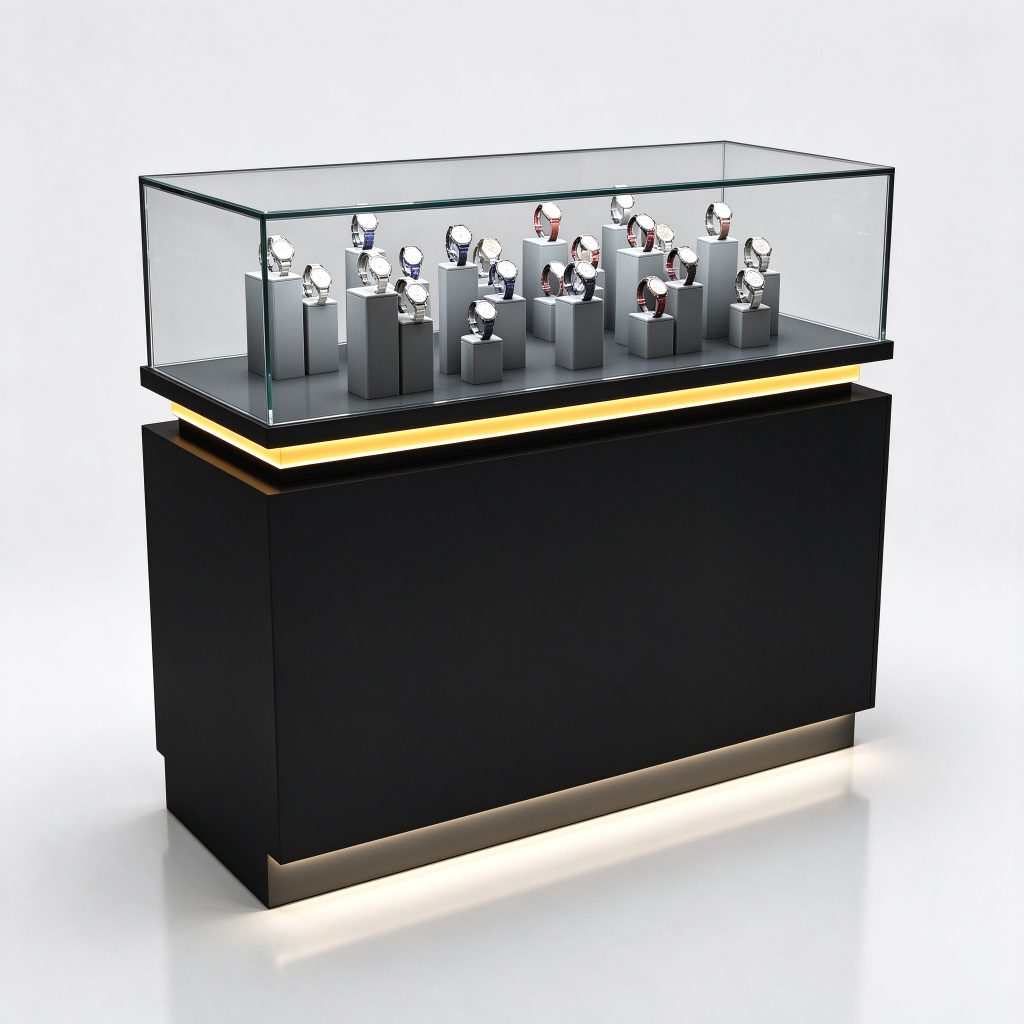
Black Glass Display Counter with Raised Watch Showcase and Warm Accent Bands
View Details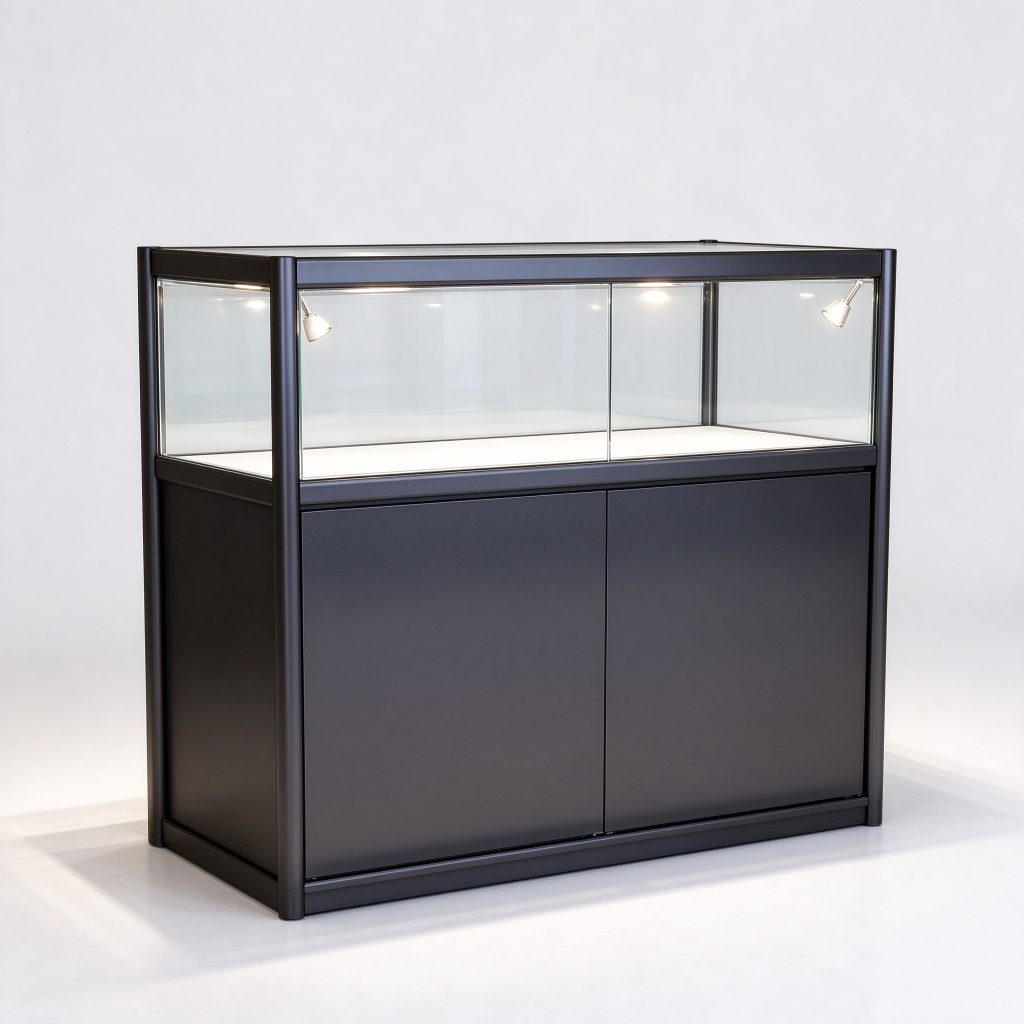
Black Metal Frame Glass Display Counter with Lower Cabinet and Spotlight Reference
View Details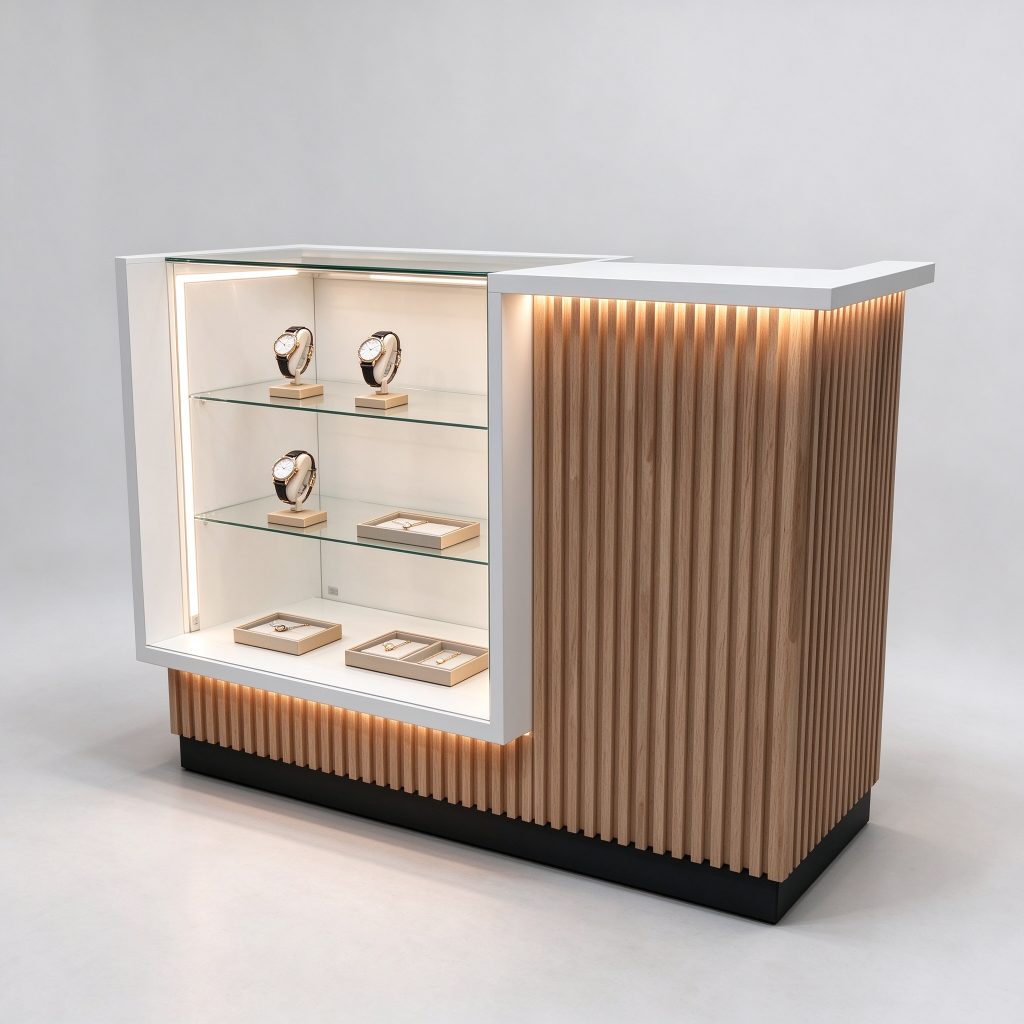
Cash Wrap Retail Counter with Glass Shelving and Vertical Wood Slat Panel
View Details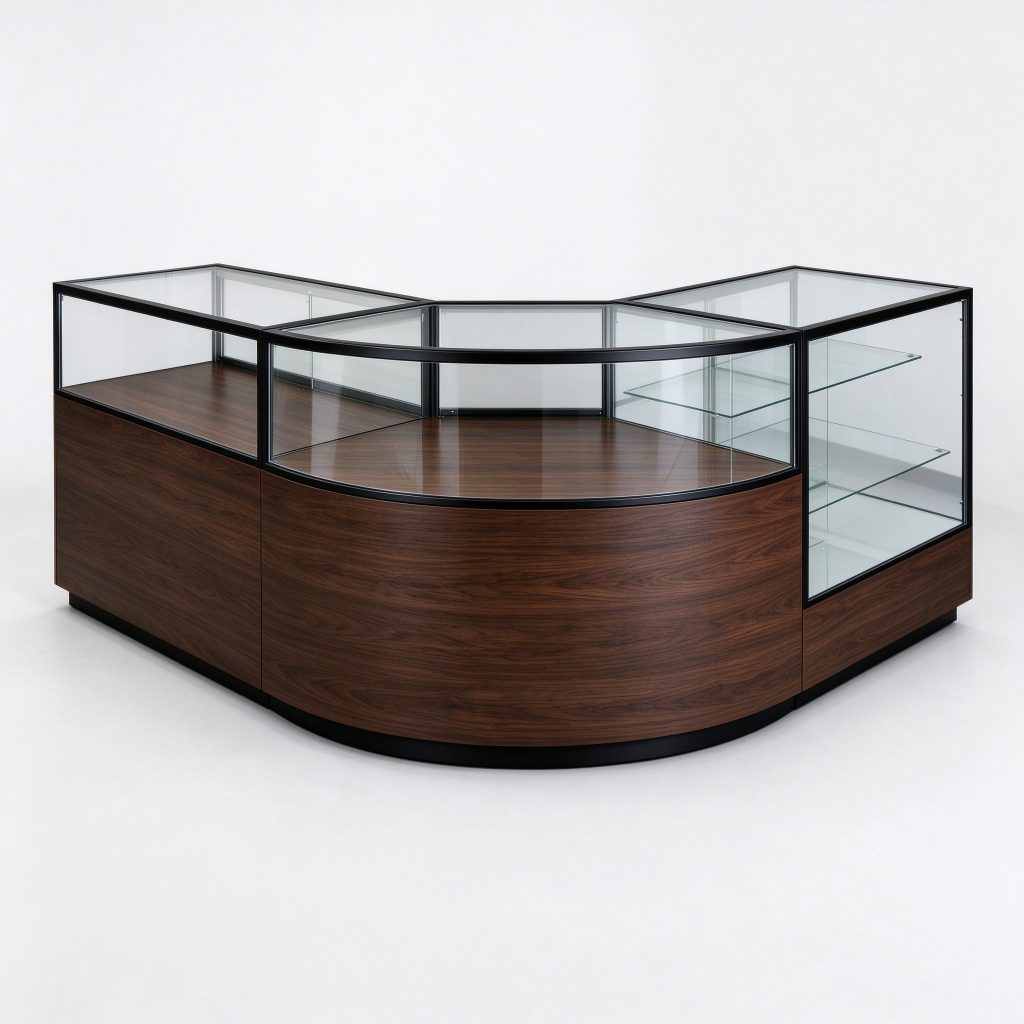
Dark Wood-Look L-Shaped Curved Jewelry Display Counter with Black Frame and Glass Showcase
View Details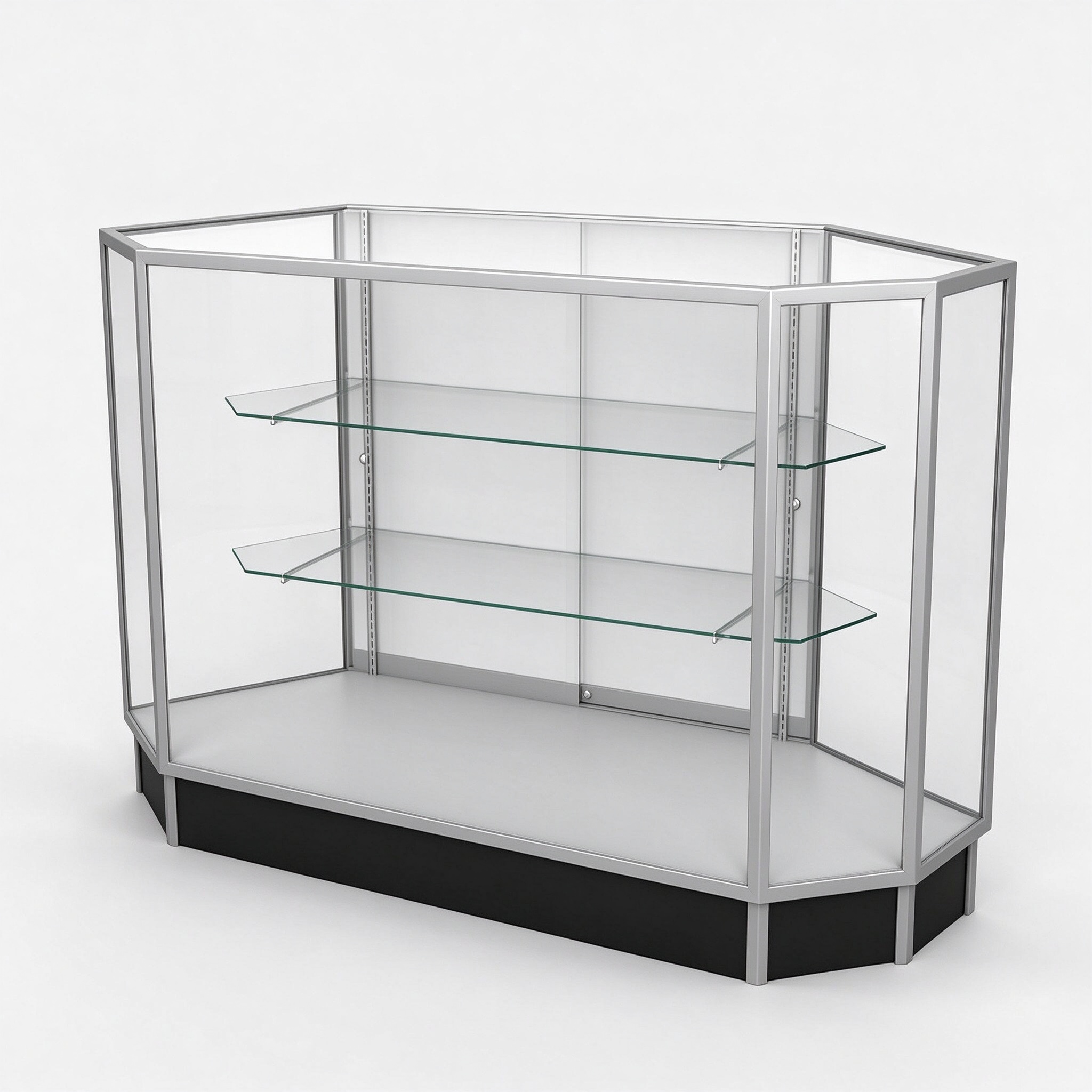
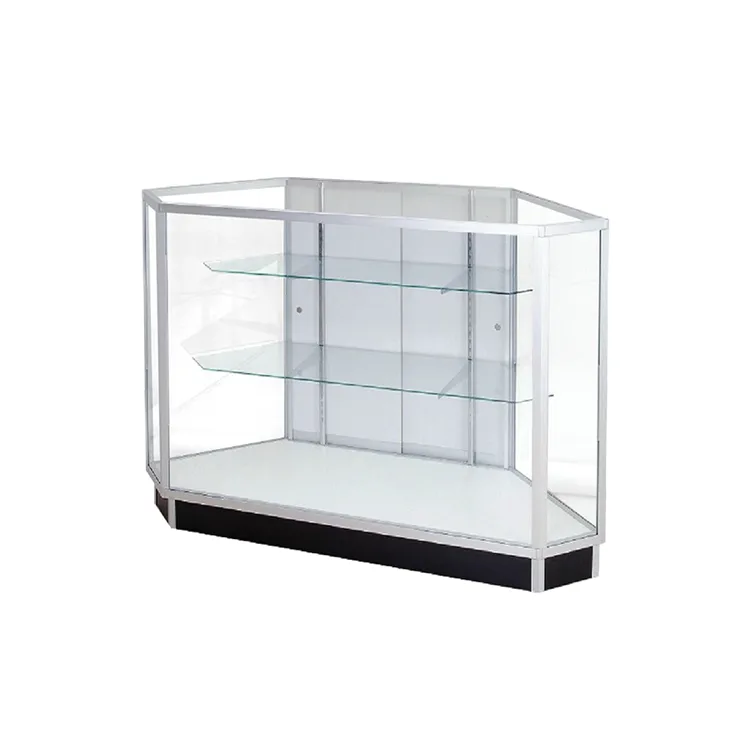
Hexagonal Corner Glass Counter with Silver-Tone Frame and Two Clear Shelves
View Details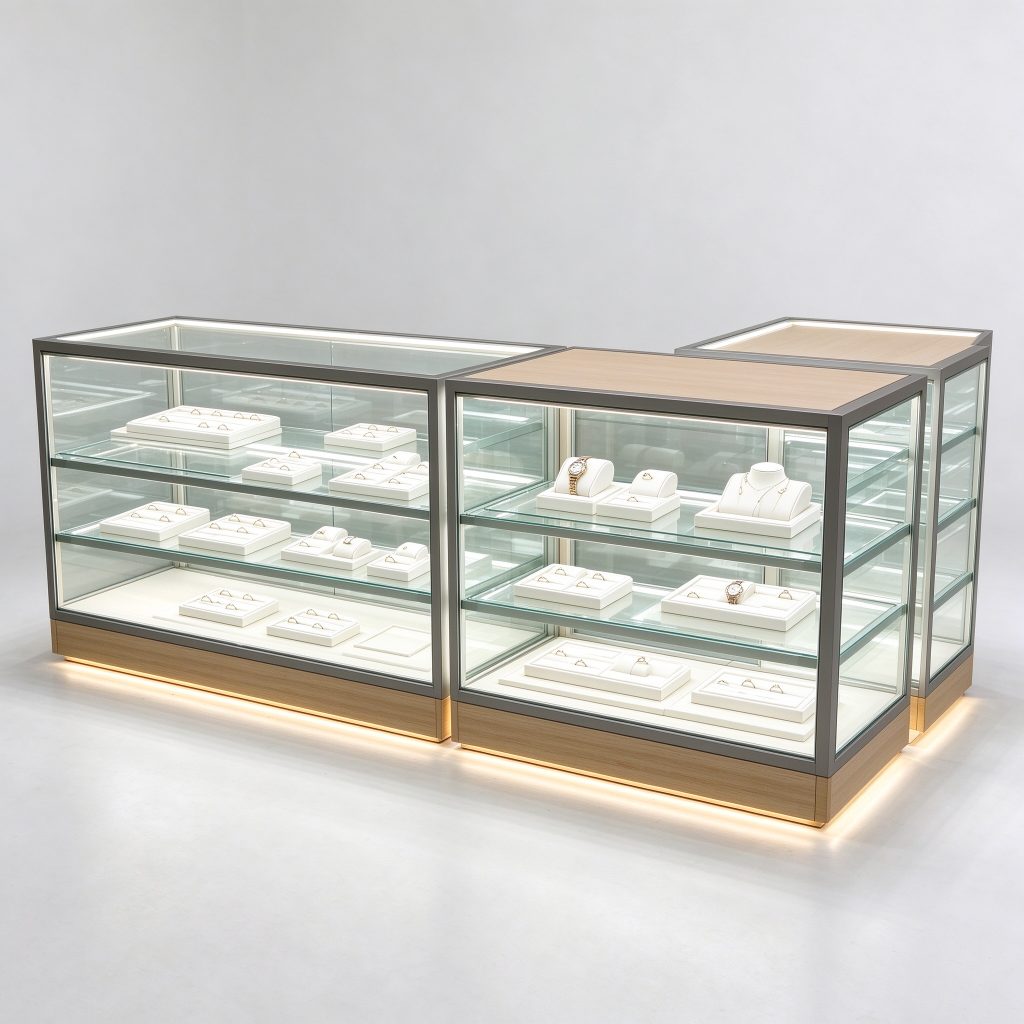
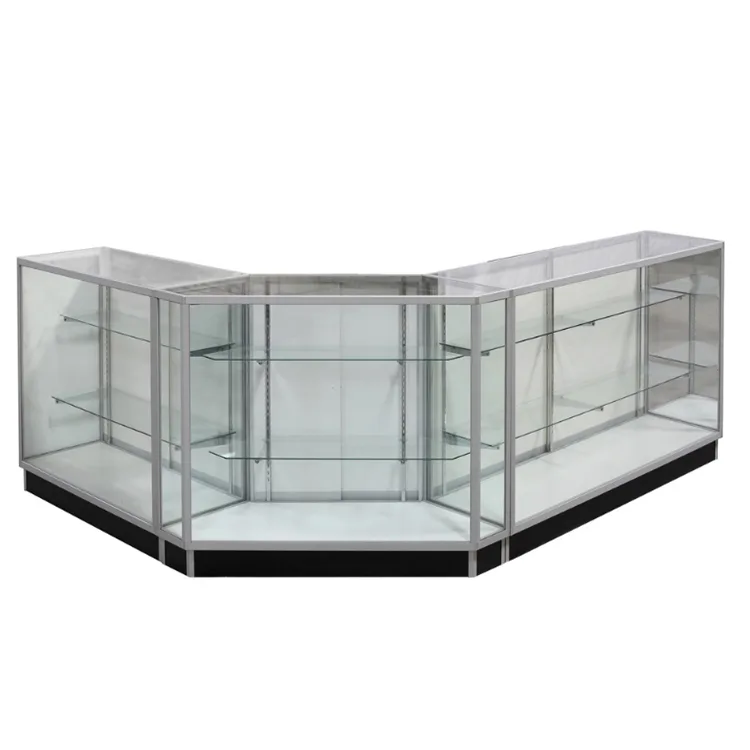
L-Shaped Full Vision Glass Counter Showcase with Shelves and Jewelry Trays
View Details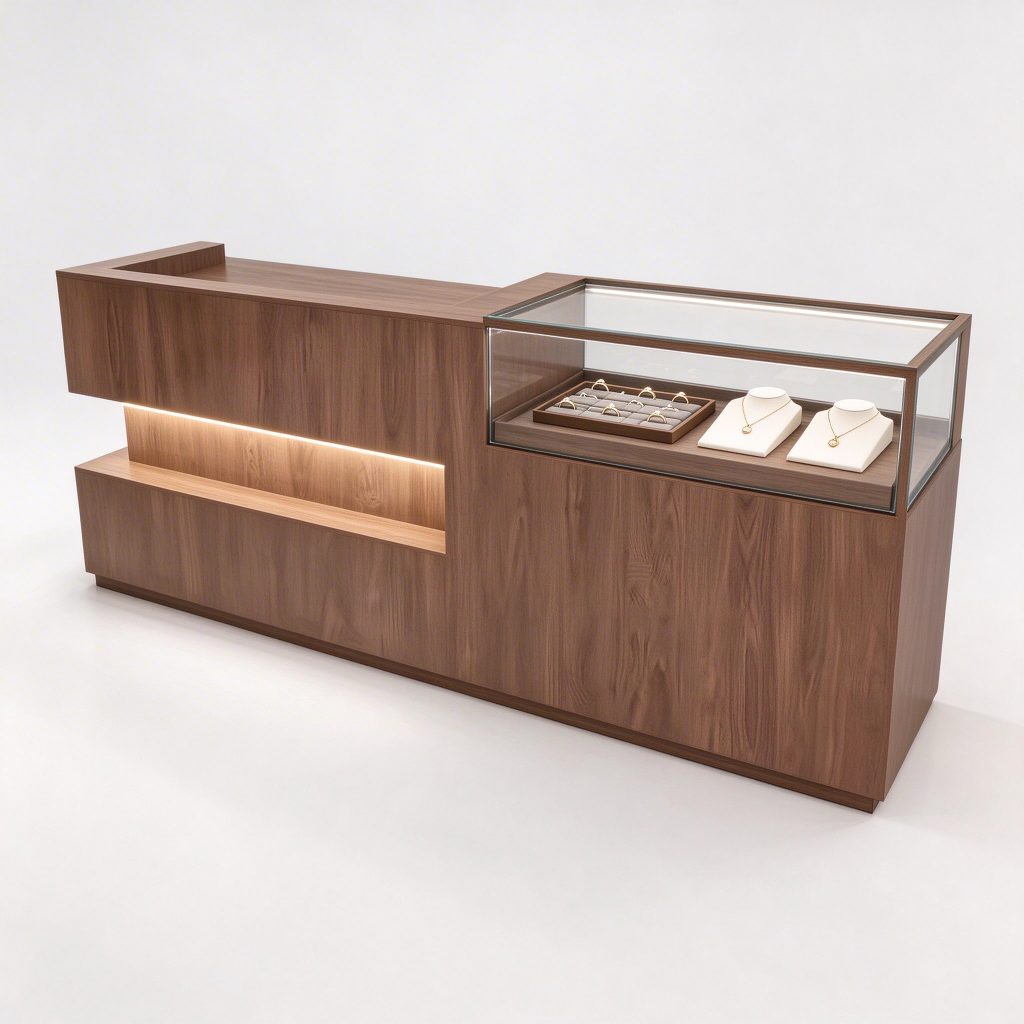
Light Walnut L-Shaped Checkout Counter with Glass Showcase and Jewelry Display
View Details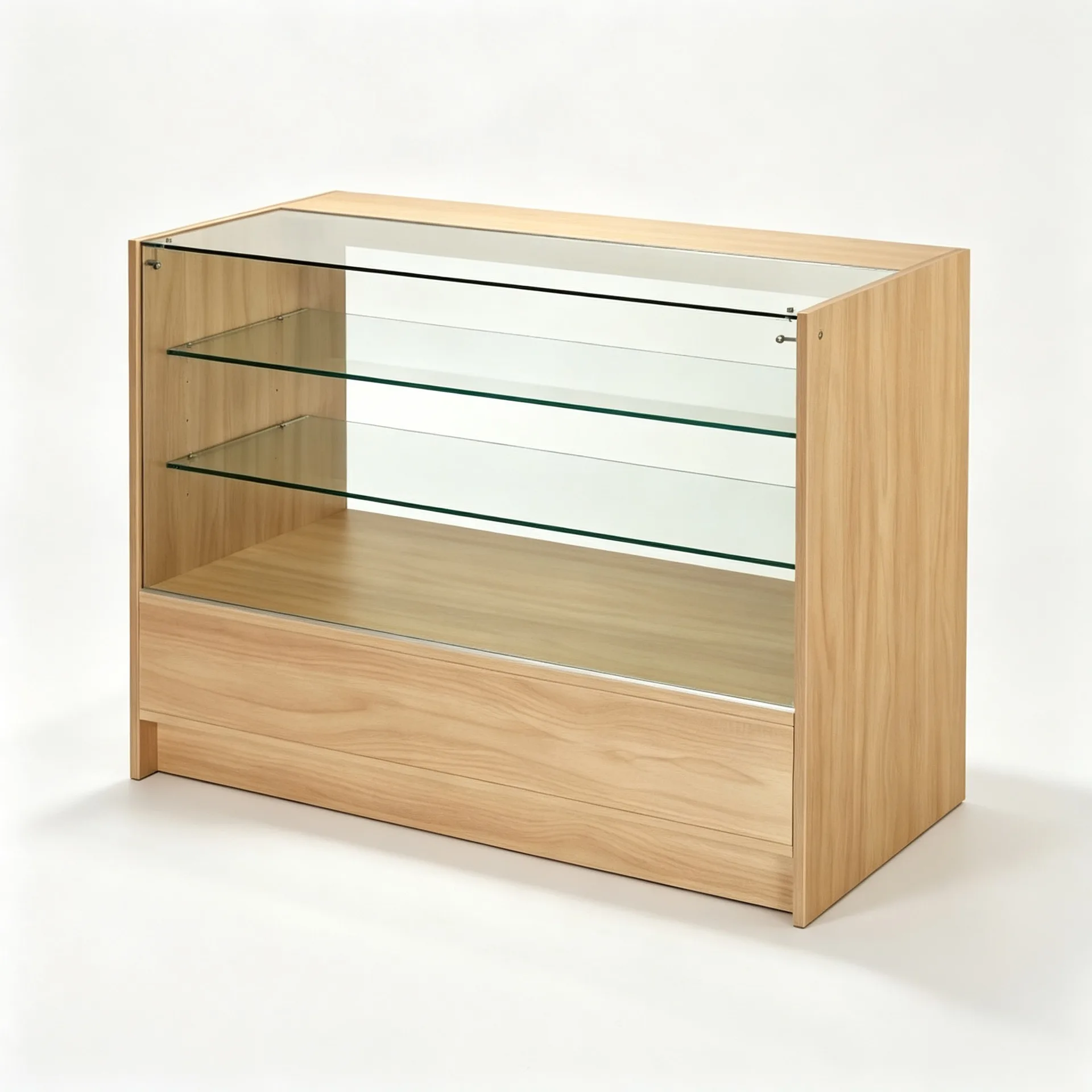
Light Wood Glass Display Counter for Retail Shop
View Details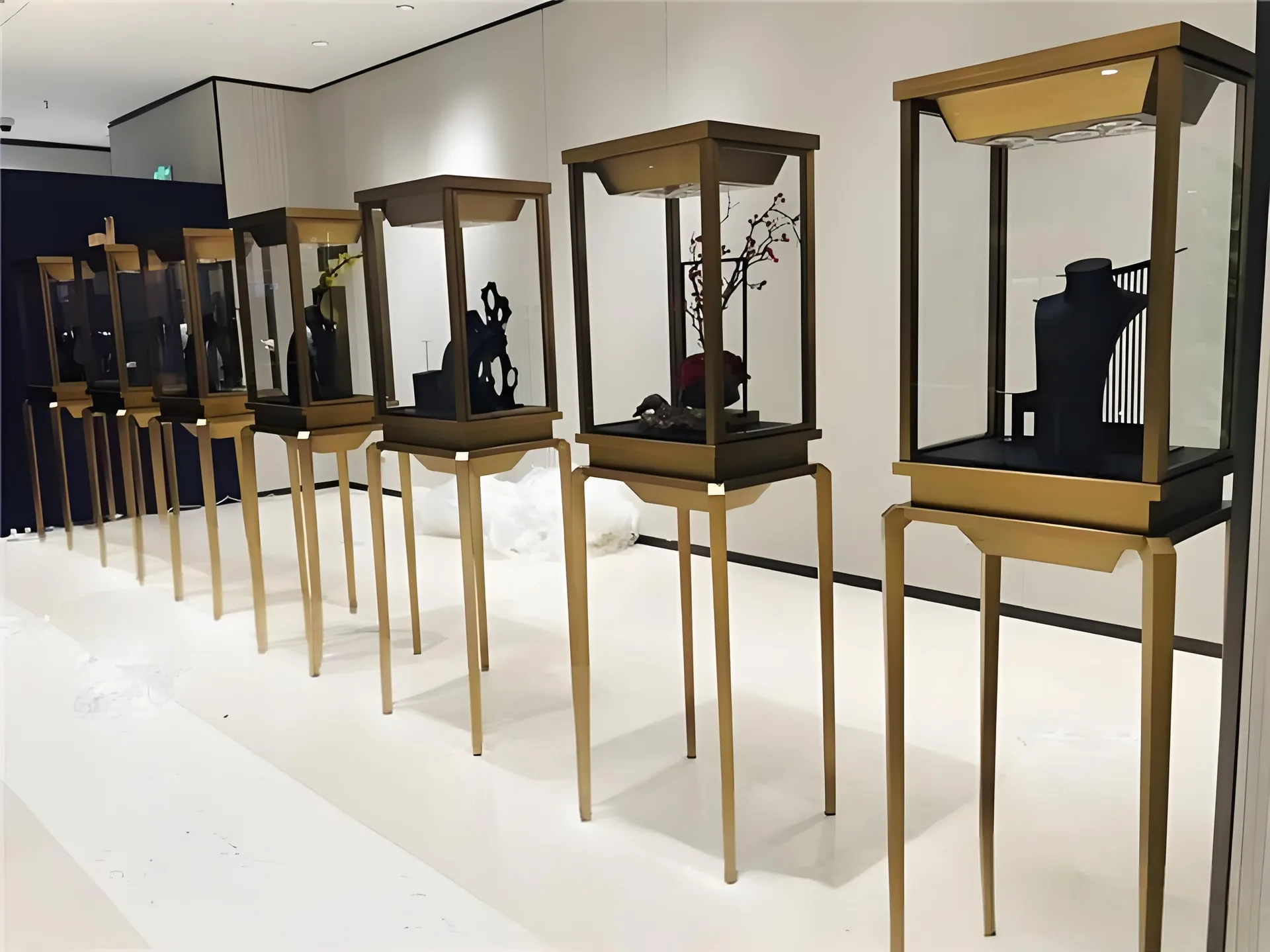
Mental Jewelry Pedestal Stand & Design Jewelry Shop Furniture For Sale
View DetailsSpecify the Glass Counter as a Complete Unit
Ask for the proposed glass type, thickness, edge treatment and support details. Do not infer impact performance or safety characteristics from appearance. The selected construction should be reviewed for the intended use and location as part of the final product specification.
Place the merchandise and labels where they remain visible from the normal browsing position. Consider reflections from shop windows and ceiling lights, especially when displaying small or reflective objects. A background sample can help compare how the products read inside the case.
Straight counters can form a service run, while corner or freestanding units change the approach to the display. Draw doors and drawers open before choosing the arrangement. Keep any required maintenance access available rather than filling every gap with adjacent joinery.
Match the Showcase to the Merchandise
For a retail shop, identify whether staff will retrieve every item or customers need direct access. This choice affects door position, counter use and the surrounding customer space. Match the case size to the merchandise rather than using one configuration for every category.
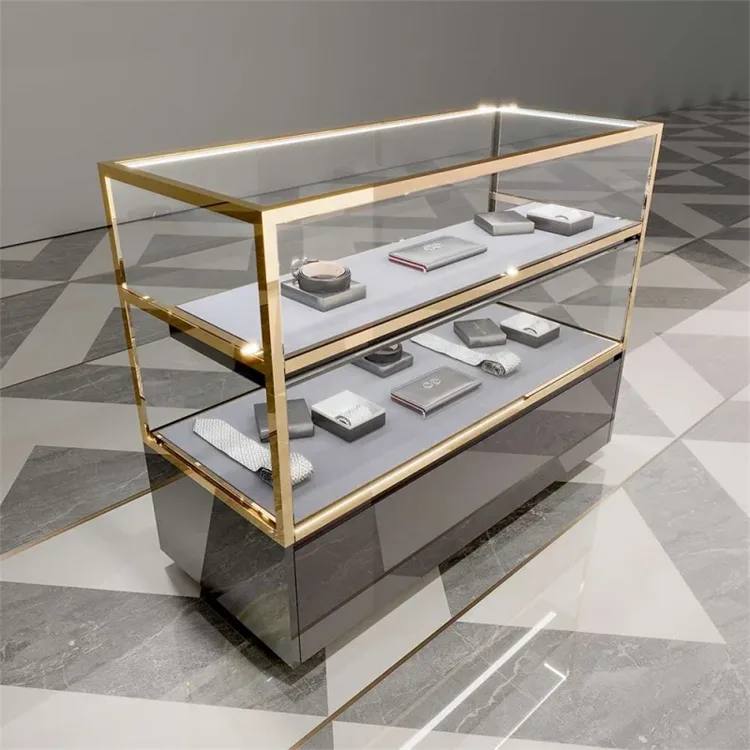
For jewelry and watches, review the display pads, presentation surface and staff access together. Small items need enough separation to be read clearly, while a tray must be removable without awkward handling. Specify locks or other security measures explicitly; a glazed enclosure alone does not establish protection against theft.
For collection displays, identify any conservation or environmental requirements with an appropriate specialist before choosing a retail case. Visibility does not prove suitability for sensitive objects. Any lighting, materials or enclosure requirements should be documented separately for the collection and location.
Compare Countertop and Floor-Standing Formats
A countertop case uses an existing surface, so confirm the supporting counter dimensions and how the unit will be positioned. Leave usable room for the intended transaction or product handover. Check that staff can reach the display without leaning across unrelated equipment.
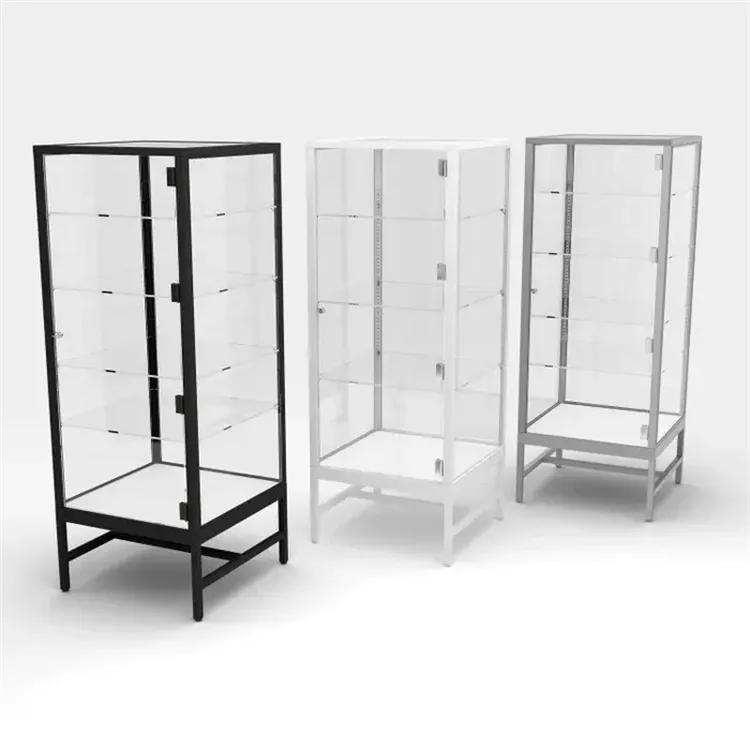
A floor-standing showcase creates a separate display point. Review its height, shelf spacing and approach from adjacent aisles. If it is grouped with other fixtures, consider how their heights affect the sightline through the store and access to lower shelves.
A tailored counter may resolve an unusual corner or coordinate with existing joinery. Record the specific reason for the change and confirm the overall dimensions in a drawing. Curved forms, lighting and branded panels need defined details rather than an assumption that they are included.
Discuss Your Glass Showcase Brief
Resolve the Counter Details before Ordering
Send Benson Display your product dimensions, measured plan and preferred case references. Include any existing fixtures that the counter must match. Request an itemized proposal with materials, dimensions and included accessories so the options can be compared on the same basis.
Review the position of lighting, switches and cable access before approving the counter drawing. Choose illumination around the objects and shop lighting rather than a generic brightness claim. Confirm electrical components and installation requirements with the relevant provider.
State the required access control and security arrangements in the brief. Ask which locks or fittings are actually included and how they integrate with the shop’s wider security plan. Do not assume alarms, surveillance or a particular level of protection from a showcase description or picture.