The beauty industry is booming, with global markets projected to exceed $800 billion by 2025, driven by innovations that make grooming more accessible and convenient. Among these innovations, nail manicure kiosks have emerged as a game-changer, offering quick, affordable, and stylish nail services in high-traffic areas like shopping malls, airports, and urban centers. Unlike traditional salons, nail kiosks prioritize efficiency and affordability, catering to busy customers seeking quality without the time commitment. If you are looking for a custom nail booth manufacturer to help you with a bespoke, modern design manicure kiosk, you are in the right place.
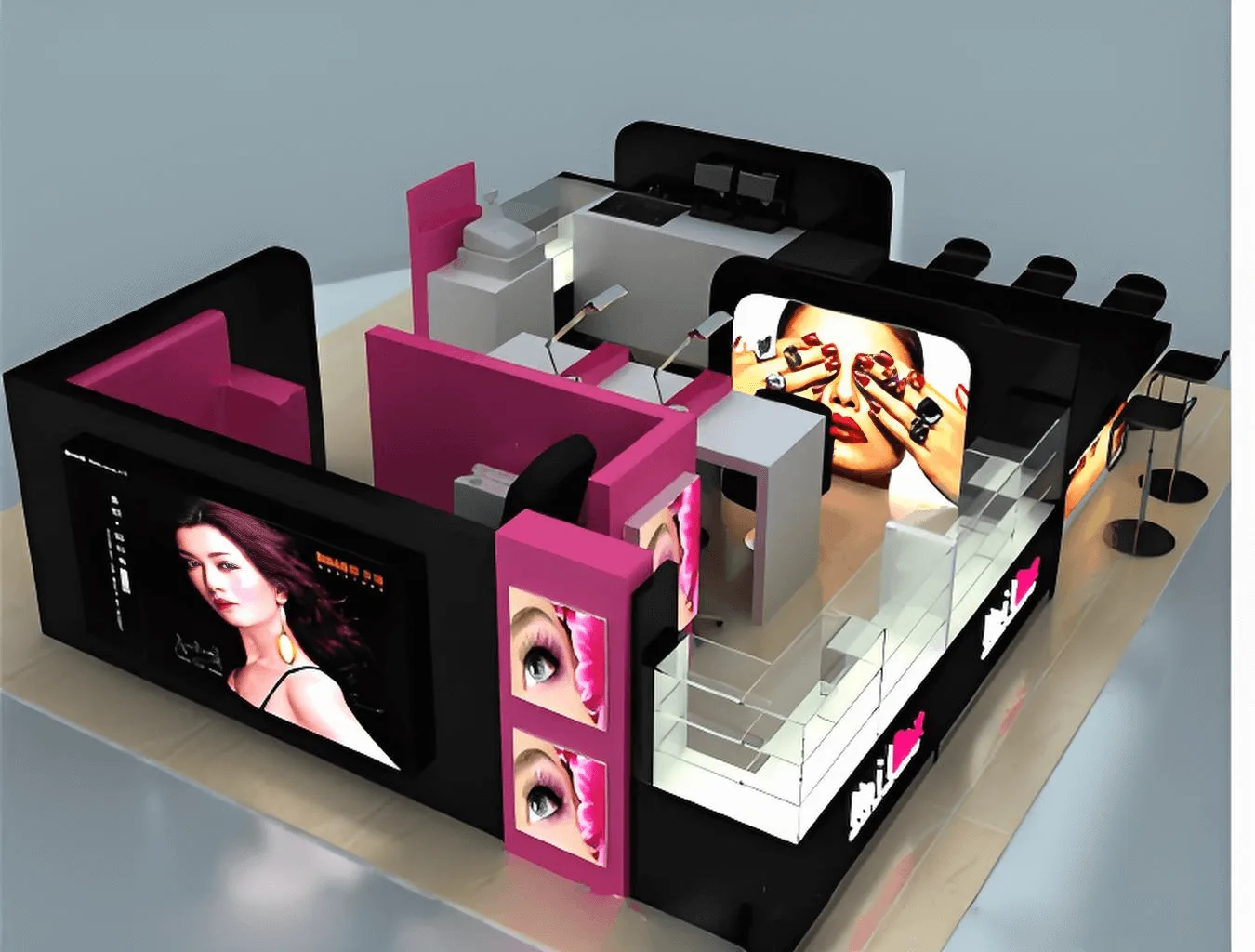
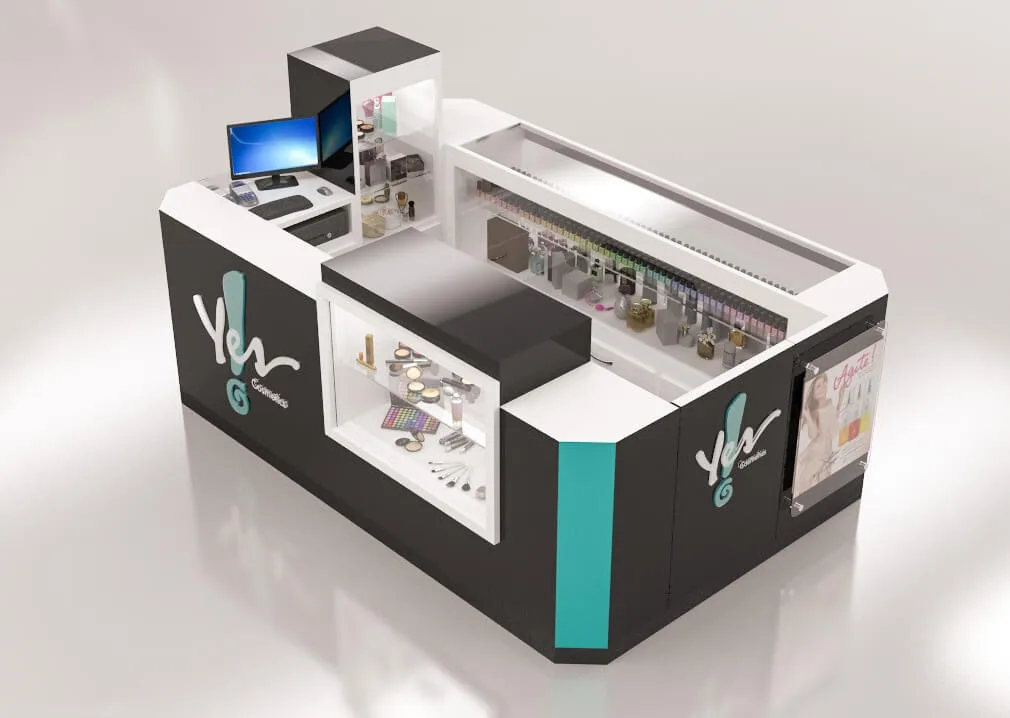
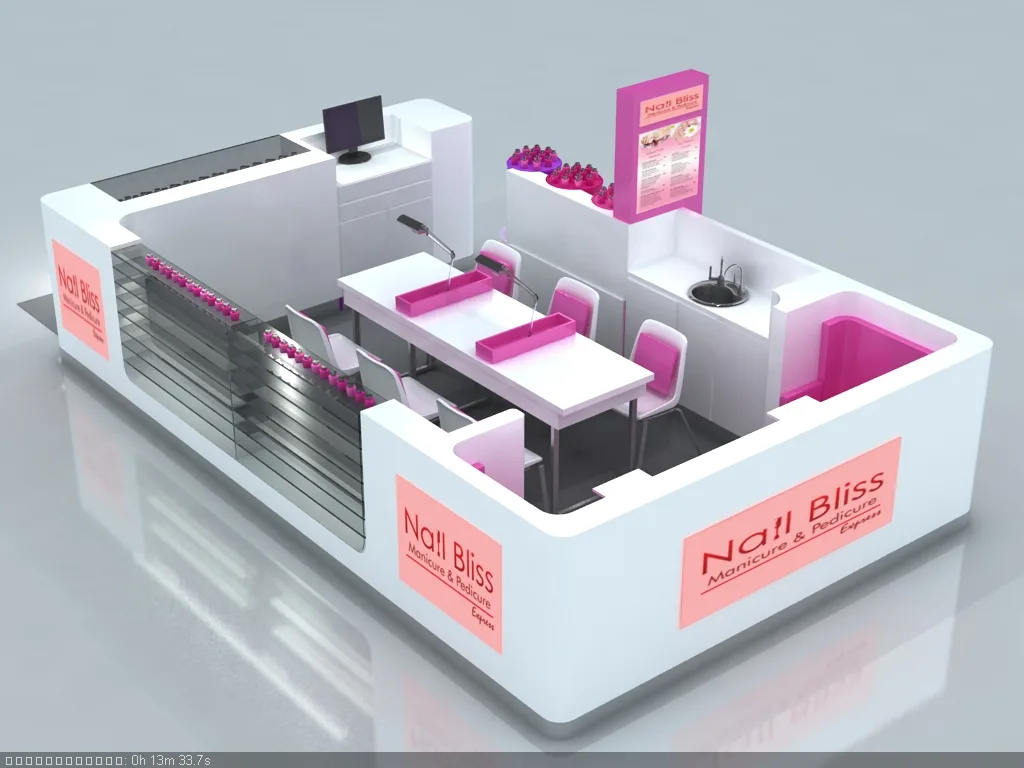
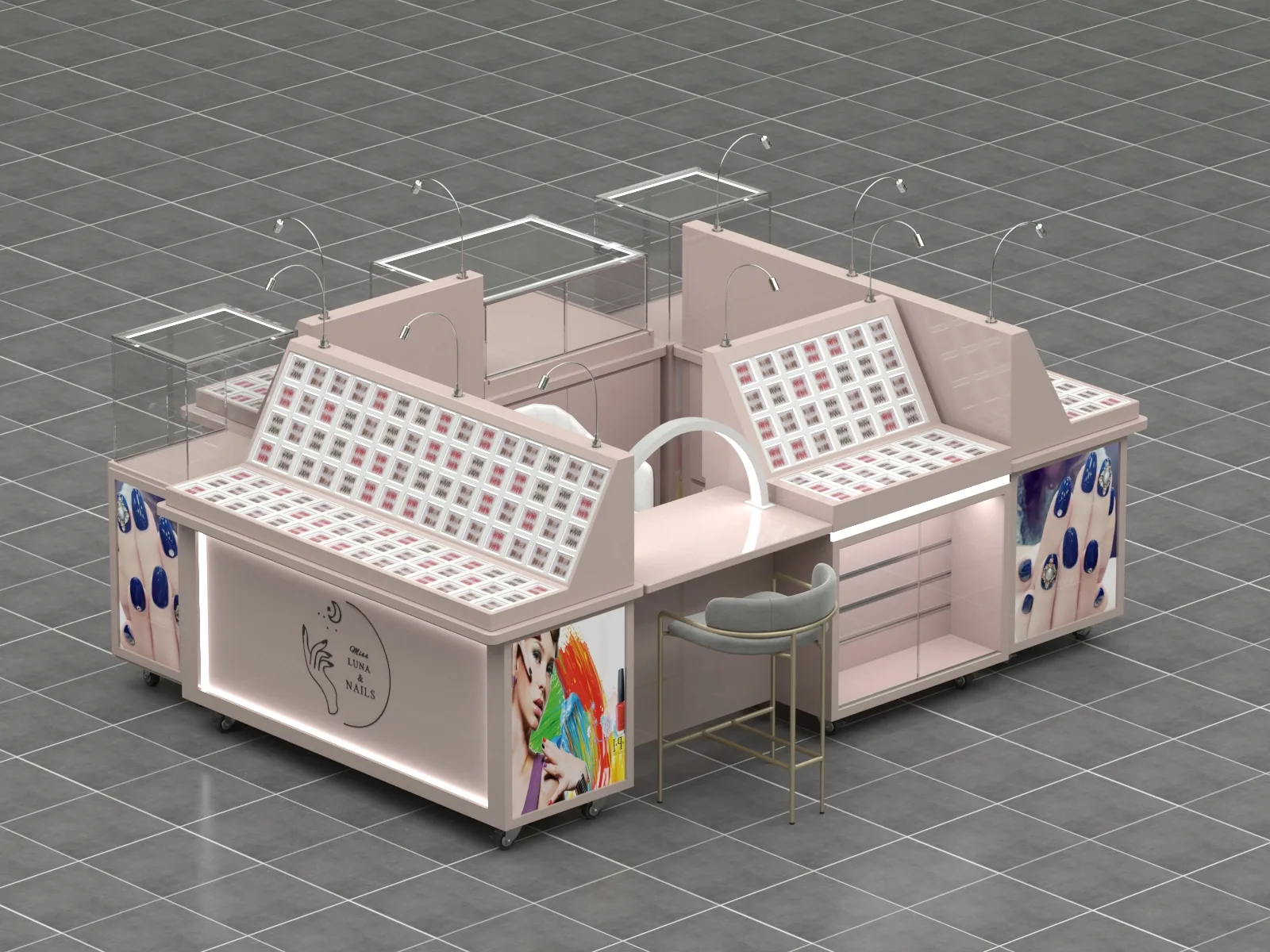
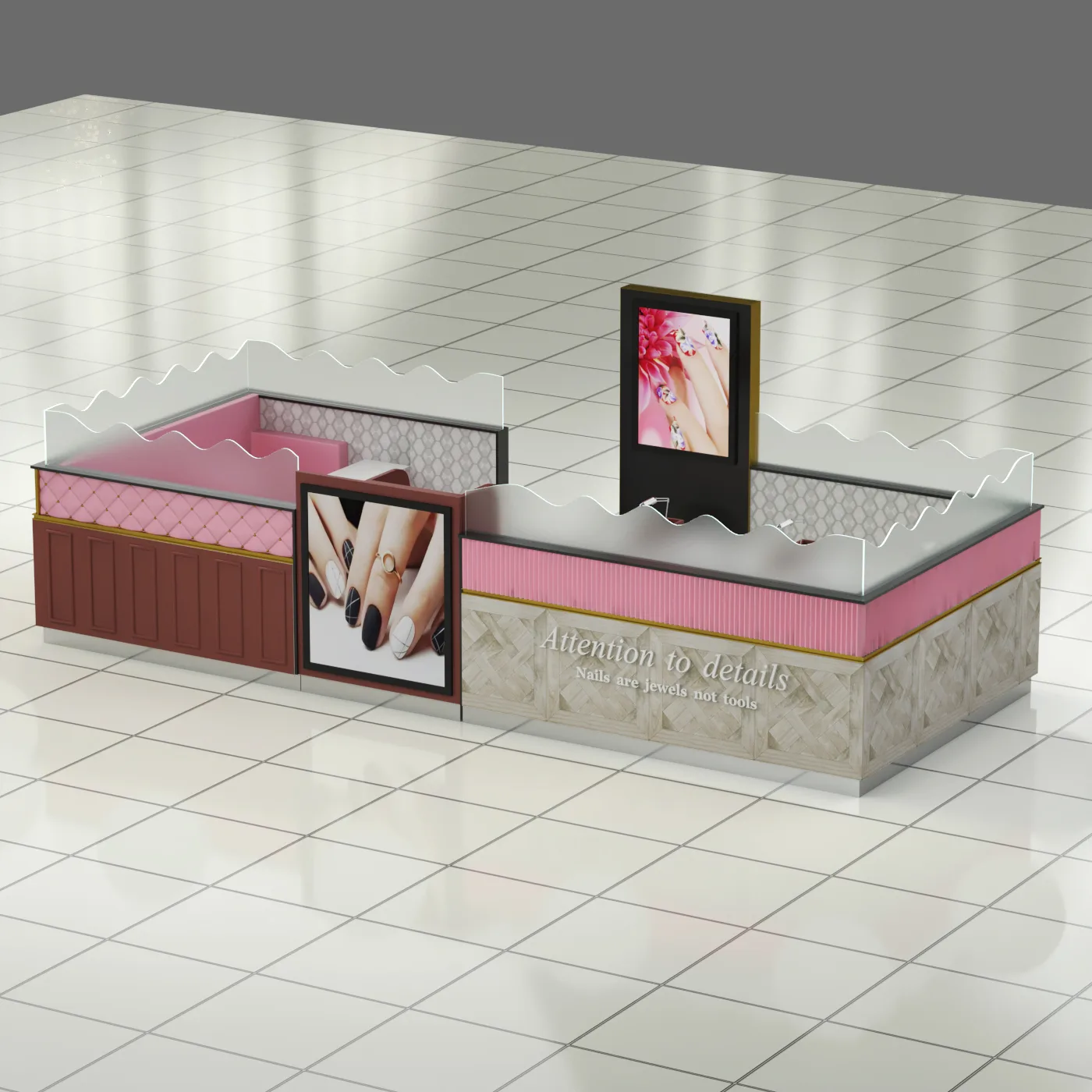
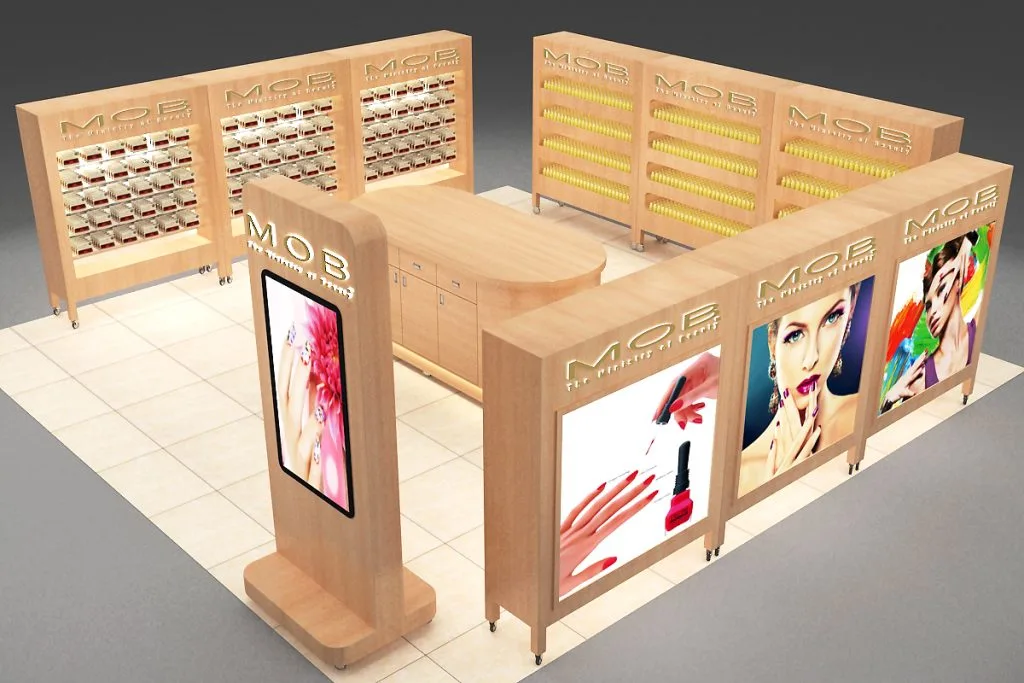
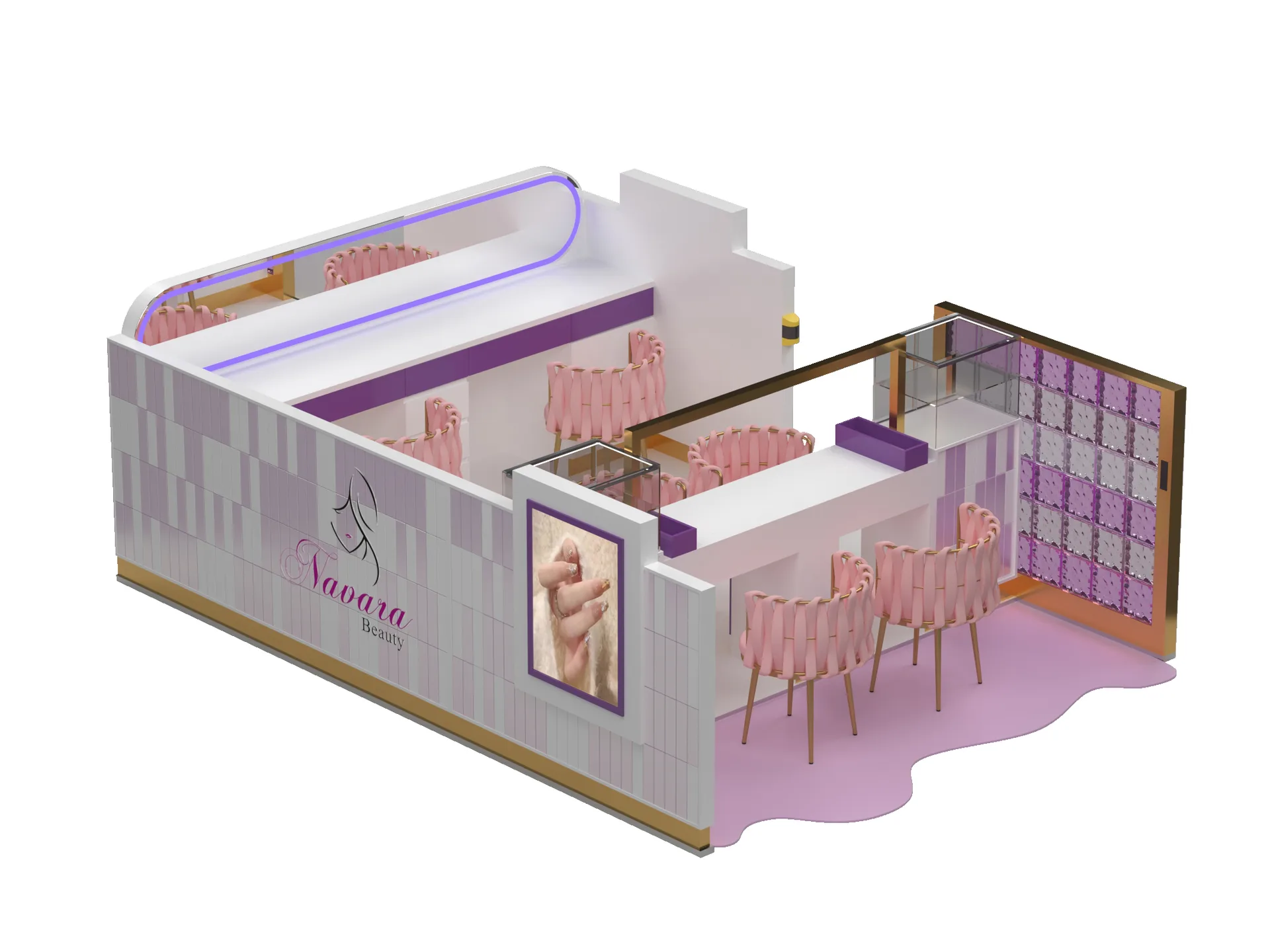
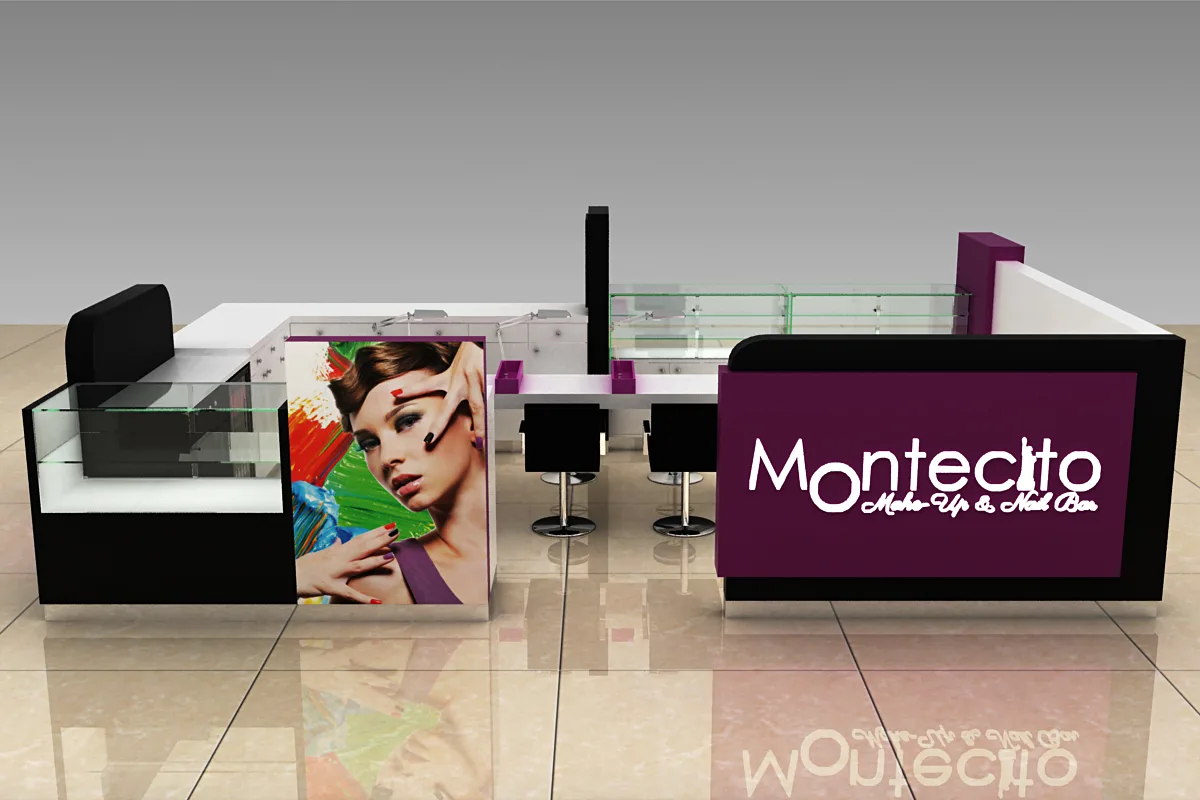
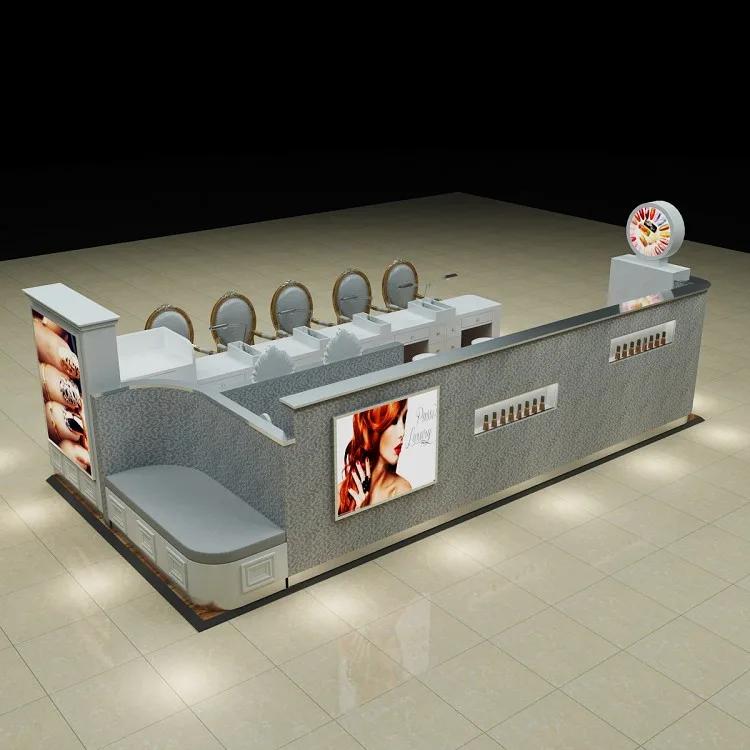
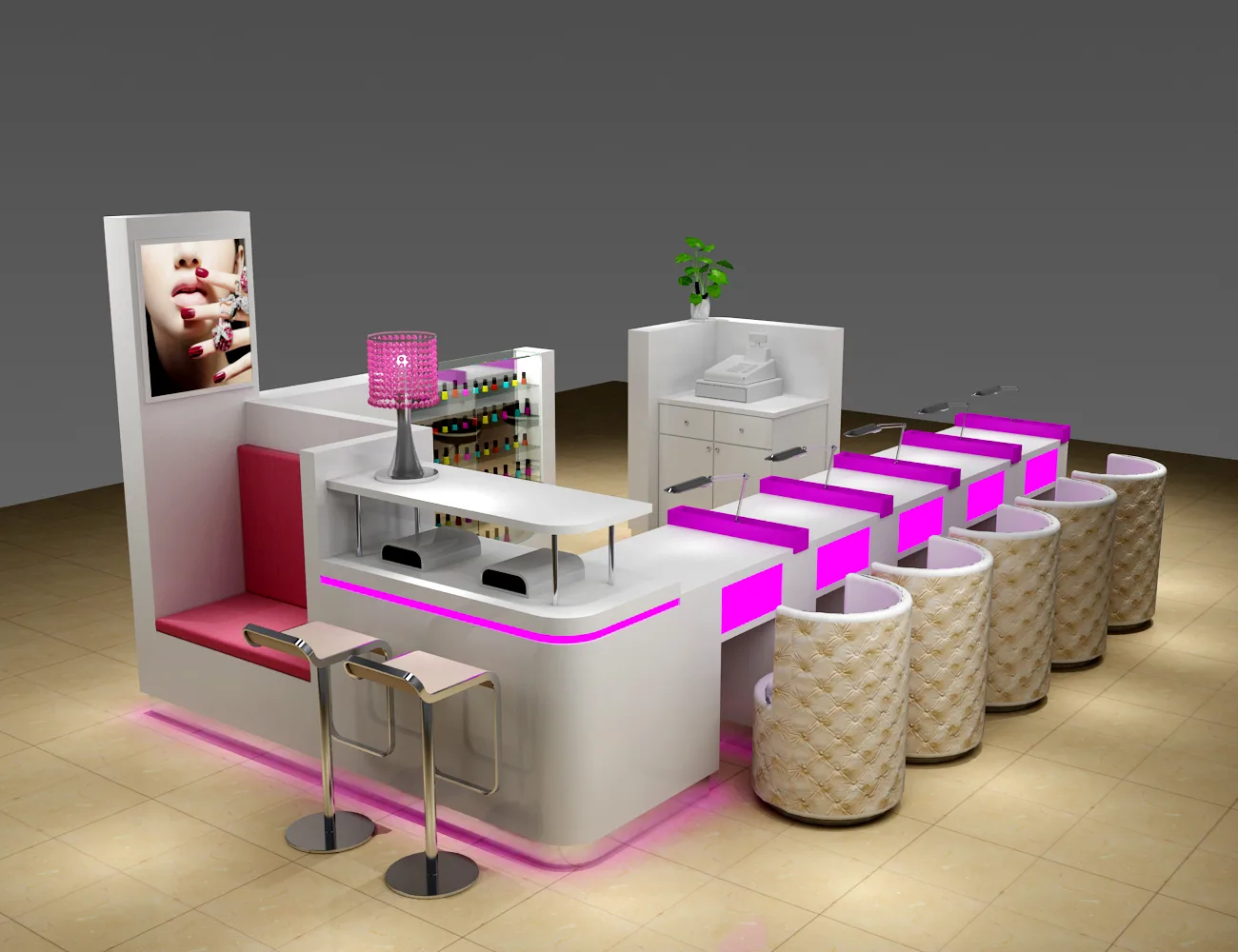
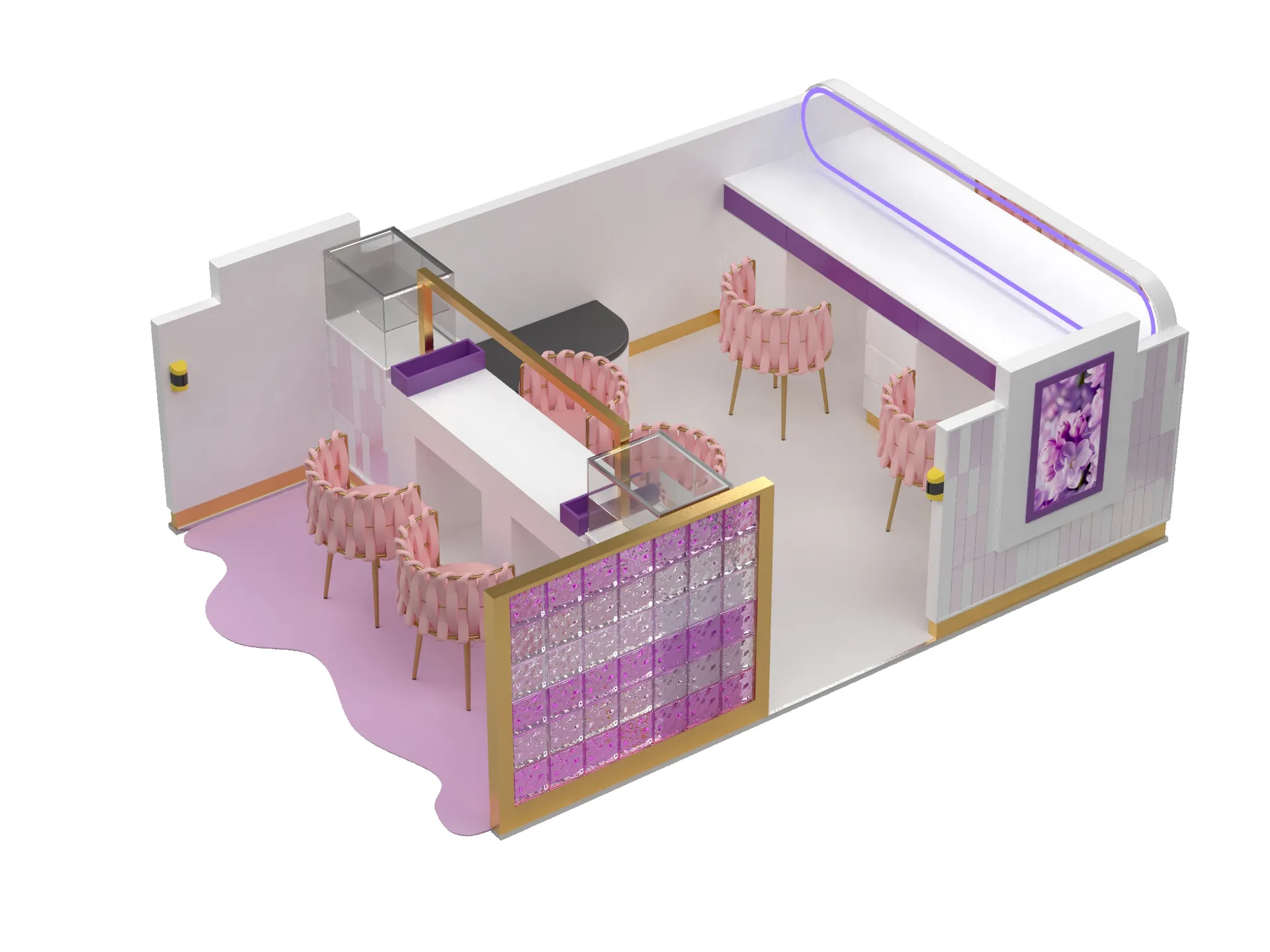
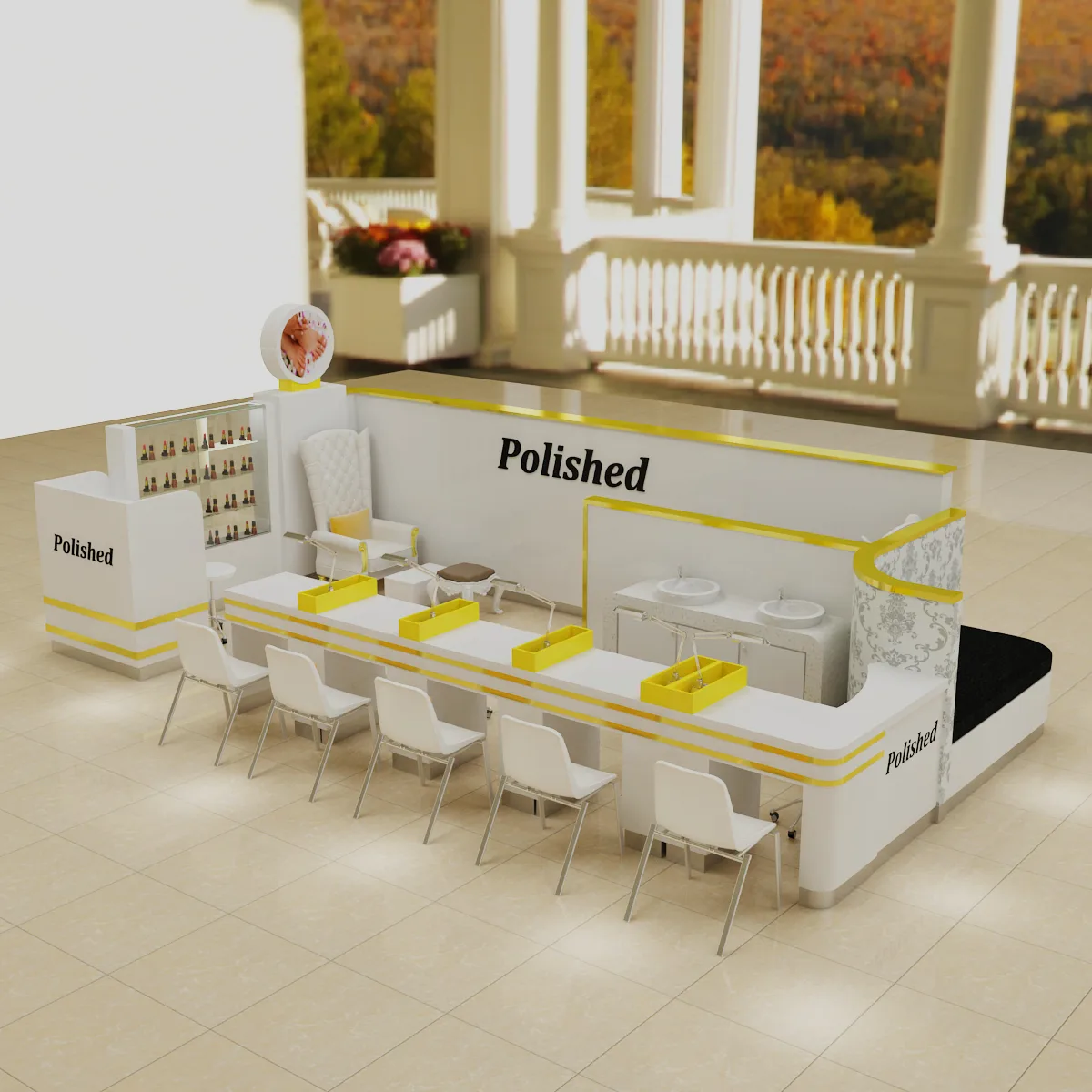
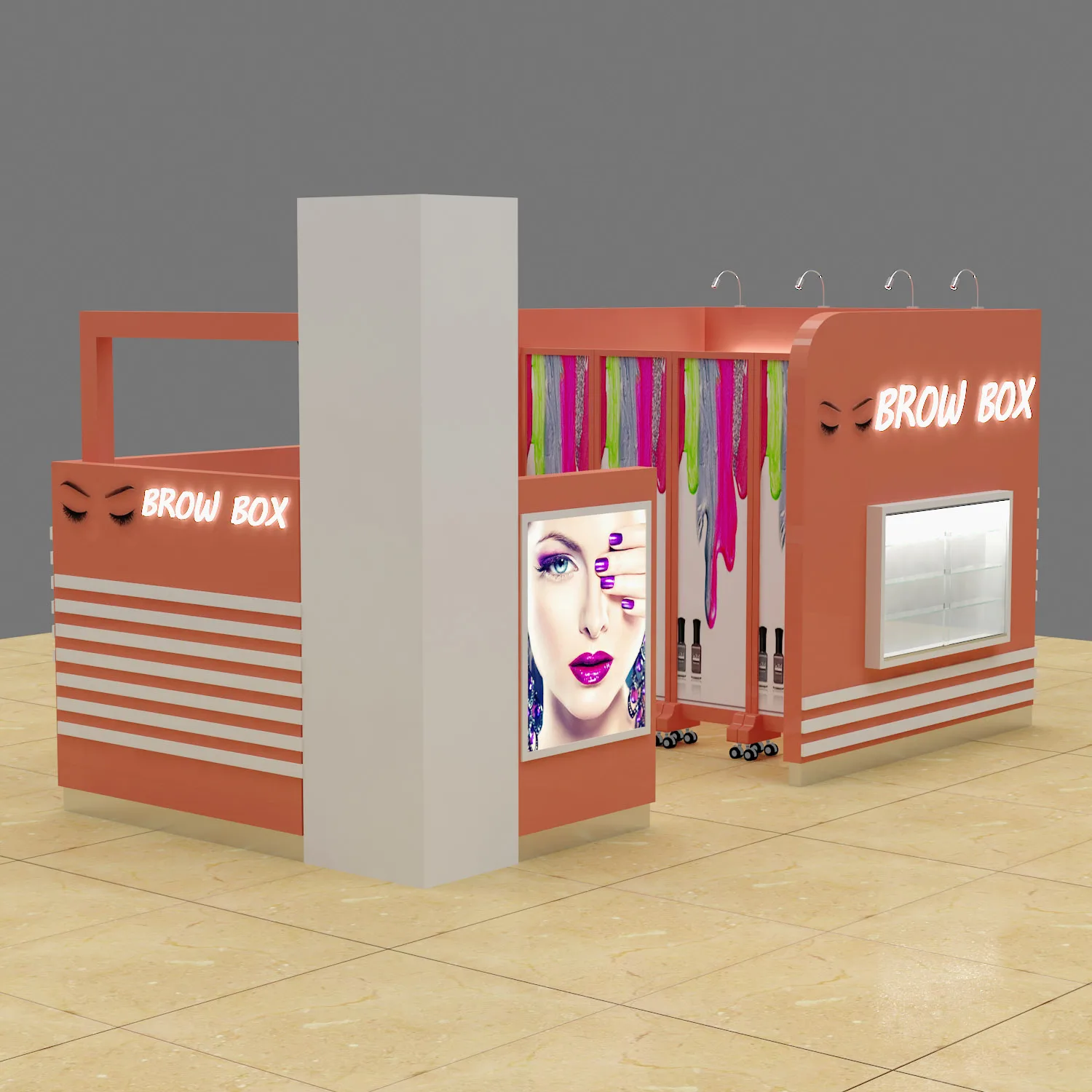
A nail manicure kiosk is a compact, often mobile booth designed to provide on-the-go nail care services, It’s usually custom-made in the factory and installed on site. These booths are strategically placed in areas with heavy foot traffic, allowing customers to walk in without appointments and receive treatments like manicures, gel polish applications, nail art, and basic pedicures. Unlike full-scale nail salons, nail kiosks in mall focus on speed and simplicity, using streamlined tools and techniques to deliver results in 15–30 minutes.
The nail kiosk model eliminates the frills of traditional salons—no plush seating or lengthy spa experiences. Instead, they emphasize convenience, leveraging smaller spaces, minimal staff, and a focused menu of services. Many manicure booths use UV/LED lamps for rapid drying and disposable tools for hygiene, appealing to hygiene-conscious clients. This model is ideal for shoppers, office workers, and travelers looking to refresh their look during errands or breaks.
Are Mall Nail Kiosks a Profitable Venture?
Malls serve as ideal locations for nail kiosks, thanks to their steady streams of foot traffic. Imagine a typical weekend: families shopping, friends catching up over lunch, and individuals treating themselves to small luxuries. A well-placed booth can capitalize on this energy, attracting impulse buyers who spot the vibrant display of nail colors or eye-catching signage. For many, a spontaneous manicure becomes part of the shopping experience, blending leisure with practicality.
However, success isn’t guaranteed. While malls offer visibility, they also come with challenges. Space constraints mean kiosks can’t offer extensive services like full pedicures or elaborate nail extensions. Competition is another factor—some malls house established salons or rival kiosks, requiring unique branding or promotions to stand out. Additionally, mall leases often include strict terms, such as revenue-sharing agreements or fixed operating hours, which can impact profitability.
Despite these hurdles, the numbers are promising. A basic manicure might cost 10–15 in materials and labor but can be priced at 20–30, yielding solid margins. With the right location, a kiosk can serve 20–30 customers daily, translating to hundreds in daily revenue. Seasonal spikes, like holidays or wedding seasons, further boost earnings. For entrepreneurs willing to innovate—perhaps offering loyalty programs or partnering with nearby retailers—the potential for growth is significant.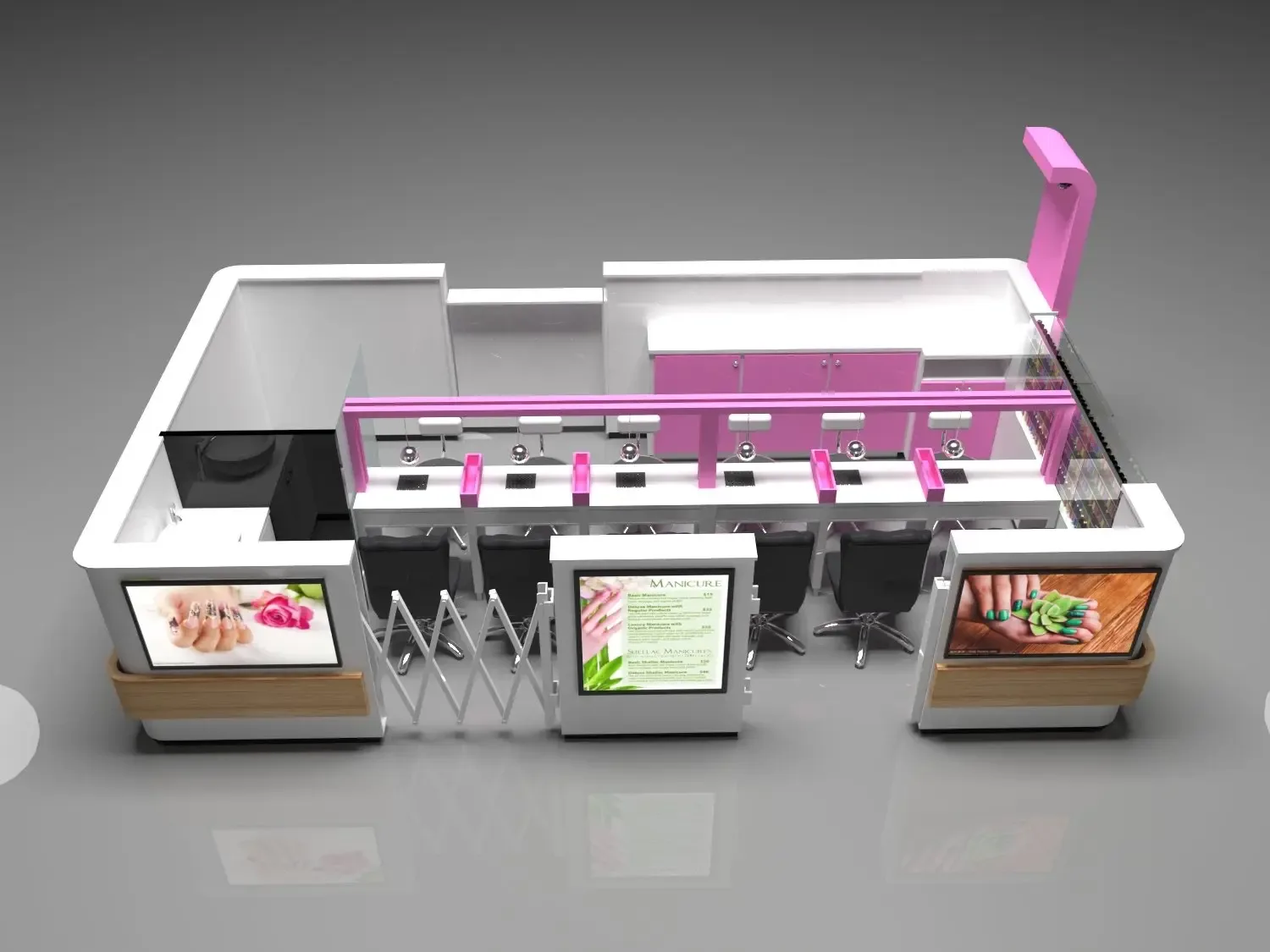
Designing Your Nail Kiosk: Materials, Layout, and Costs
When setting up a nail kiosk, design choices balance aesthetics, durability, and functionality. Lightweight materials like plywood or acrylic are popular for framing, ensuring the structure is both sturdy and easy to assemble. Walls might feature tempered glass or sleek PVC panels, creating a modern look that attracts passersby. Most retailers choose to use baking painted walls for economical cost. Countertops need to be resilient—quartz or laminate surfaces are common for their ease of cleaning and resistance to polish stains.
Size plays a critical role. A compact kiosk (50–80 square feet) might fit a single chair and storage, ideal for basic services. Larger setups (100–150 square feet) allow space for additional seating or a nail art station. Custom designs can incorporate branding elements, like neon signs or eco-friendly wood finishes, to reflect the business’s personality. For instance, a glam-themed kiosk might use metallic accents, while a minimalist one opts for clean lines and neutral tones.
Startup costs vary widely. Pre-fabricated nail booths range from $30,000, while custom builds can hit 50,0005,000, though they require hands-on assembly. Additional expenses include licenses, initial inventory (polishes, tools), and marketing materials like brochures or social media ads. Balancing upfront investment with long-term gains is key—durable materials and strategic design choices can reduce maintenance costs over time.
Services That Drive Success
Nail kiosks thrive by offering focused, high-demand services. Express manicures are the backbone, featuring filing, cuticle care, and a polish of choice. Gel manicures, which last longer than regular polish, are a popular upsell. For those seeking flair, add-ons like nail art—think delicate florals or bold geometric patterns—provide creative customization. Quick fixes, such as repairing a chipped nail or refreshing faded polish, cater to clients needing a touch-up without the commitment of a full service.
To maximize revenue, many nail manicure kiosks introduce complementary offerings. Mini pedicures focus on toenail painting and basic shaping, ideal for sandal season. You can also add a nail polish display stand within the kiosk and Retail products, like top coats or cuticle oils, to let customers maintain their look at home. Seasonal promotions, such as holiday-themed designs or Valentine’s Day specials, create urgency and draw crowds. By staying attuned to trends—like the current craze for minimalist “clean-girl” nails—kiosks can keep their menus fresh and relevant.
Why Launch a Nail Kiosk Business?
For aspiring entrepreneurs, nail booths offer a lower barrier to entry than traditional salons. Startup costs are manageable, and the flexibility to test locations—starting with a mall pop-up before expanding to airports or downtown hubs—reduces risk. The growing demand for convenient beauty solutions, fueled by social media and shifting lifestyles, ensures a steady customer base.
Moreover, this business model rewards creativity. Owners can experiment with themes, collaborate with local influencers, or host nail art workshops to build community. The intimate scale of kiosks and booths fosters personal connections, turning first-time clients into regulars. For those passionate about beauty and innovation, a nail kiosk isn’t just a business—it’s a chance to redefine how people experience self-care in a fast-moving world.
Final Thoughts: Seizing the Opportunity
Nail kiosks represent more than a fleeting trend; they’re a response to the growing demand for accessible, affordable beauty services. By combining strategic location, efficient operations, and a dash of creativity, entrepreneurs can tap into a lucrative market. Whether you’re a beauty professional seeking independence or a newcomer exploring small-business ownership, a nail kiosk offers a dynamic path to success. In an era where time is precious and convenience reigns, these compact hubs are poised to become staples of modern life—one quick, dazzling manicure at a time. A nail bar booth is a perfect small business for new starters. If you are looking for a customized nail bar kiosk for your business, welcome to contact our team.