
Design reference: this page is not presented as a completed Benson Display client project. Use the layout and fixture ideas to describe your own requirements; specifications and project scope need separate confirmation.
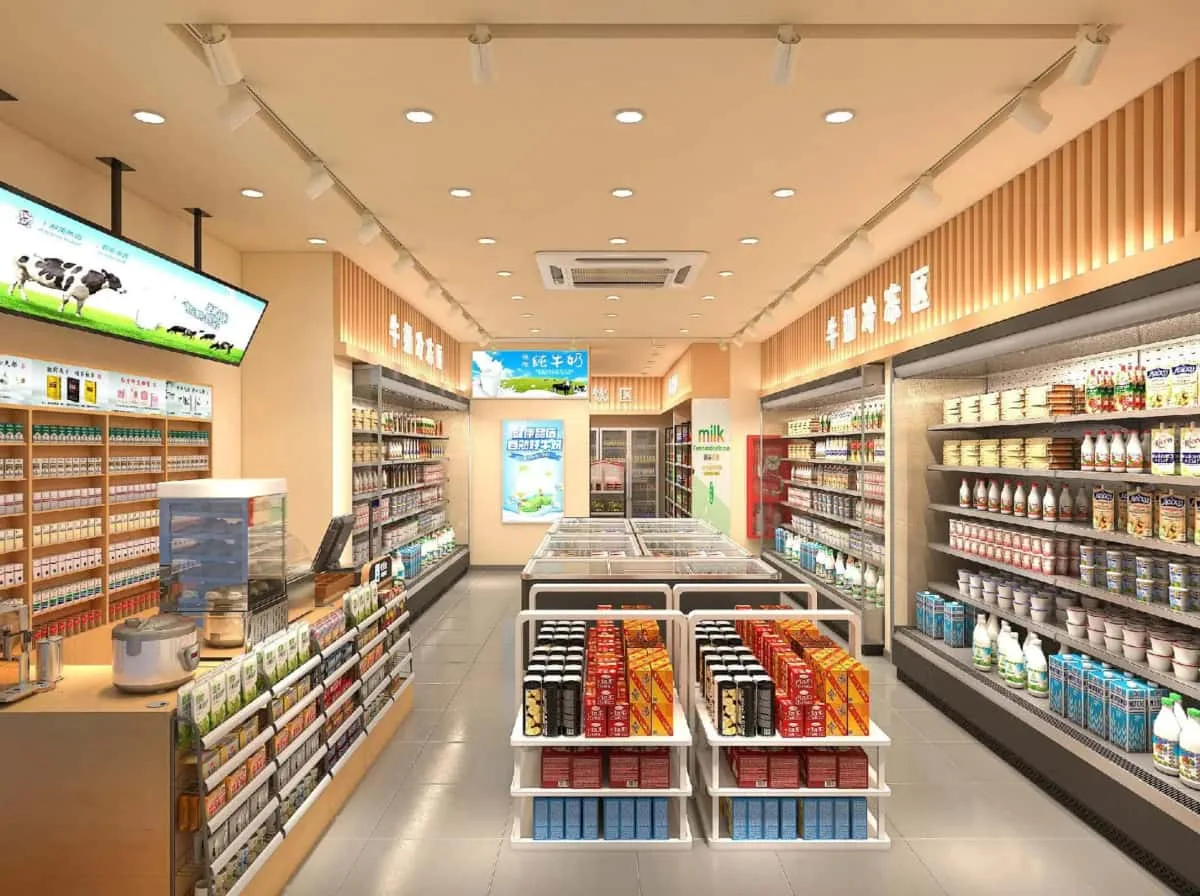
An effective convenience store design is a strategic asset. It directly influences sales and customer satisfaction. This guide explores a practical, customer-focused blueprint. It shows how intentional fixture selection and store zoning merge aesthetics with retail efficiency. For entrepreneurs, this approach highlights how smart design choices can streamline operations. These choices also amplify profitability from the ground up.
The foundation of a successful store lies in a layout that guides customers intuitively. It must also maximize product exposure. By analyzing the key elements of a modern store, owners can learn to create a welcoming and highly functional space. This analysis covers everything from the inviting entrance to the specialized displays inside. The goal is to build an environment where every element reduces friction, encourages exploration, and increases basket size.
The Power of a Strategic Storefront
Your storefront is your most powerful advertisement. It creates the crucial first impression. An effective design prioritizes high visibility and clear branding. It uses elements like illuminated signage and clean, unobstructed windows to capture attention. This immediate visual communication informs passersby of your store’s value proposition. It also entices them to enter, serving as the first step in the customer journey.
Furthermore, the physical entrance must balance easy access with operational support. Features like double doors or automatic entries facilitate a smooth flow of traffic. These features also help maintain critical internal climate control for energy efficiency. Large window displays act as curated previews of the store’s interior. They showcase popular or fresh items to draw customers in. This also sets clear expectations for the shopping experience within.
Mastering Interior Zoning and Flow
Inside the store, strategic zoning is essential. It drives efficient navigation and increases sales. Organizing the sales floor into distinct product categories significantly reduces customer search time. These categories include beverages, snacks, and dairy. Clear overhead signage for each zone acts as a silent guide. It intuitively directs traffic and improves the overall shopping experience.
The layout’s backbone is often versatile, freestanding gondola shelving. These units create logical, walkable aisles. They are prized for their flexibility, frequently featuring adjustable shelves and dividers. This adaptability accommodates products of various sizes. By strategically placing high-margin impulse buys at eye level, stores can drive unplanned purchases. This placement along primary aisles effectively boosts average transaction values.
Selecting Durable and Functional Fixtures
Choosing the right fixtures is critical. It impacts product integrity, customer experience, and store durability. The right selections ensure everyday functionality. They also minimize long-term maintenance costs. Here is a breakdown of essential fixture types and their roles:
-
Primary Shelving Units: These are constructed from durable materials like powder-coated metal and easy-wipe melamine. The category includes wall-mounted shelves for maximizing vertical space. It also includes freestanding gondolas for creating aisles. Their adjustability allows for flexible product display and easy reorganization.
-
Specialized Refrigeration: This includes open, glass-fronted chiller cabinets for dairy and fresh items. Multi-door freezers are used for frozen goods. Key features should focus on energy efficiency and safe tempered glass. Hygienic stainless-steel finishes are also essential to preserve perishables and promote visibility.
-
Checkout & Point-of-Sale Displays: The checkout counter is often designed with integrated small shelves. It is built to hold payment systems efficiently. Its strategic design also displays last-minute impulse items like gum or chargers. This placement drives final add-on sales.
Driving Sales Through Customer-Centric Design
The overarching design philosophy must connect operational practicality with a positive customer experience. Every decision should be made with the shopper’s comfort and ease in mind. This includes choices about lighting and material finishes. Warm, welcoming lighting and subtle color-coding create an organized and inviting atmosphere. This encourages customers to browse longer.
Ultimately, this holistic approach proves that design is a powerful commercial tool. A layout that minimizes search time fosters customer loyalty. Fixtures that adapt to inventory changes simplify store management. A focus on creating a pleasant environment contributes directly to sales growth. This thoughtful, customer-centric design leads to a stronger bottom line.