
The ice cream shop counter is far more than a simple surface for transactions—it is the vibrant nucleus of the customer experience. As the first interaction point between patrons and products, it sets the tone for the entire brand, merging aesthetics with practicality to create a memorable impression. A well-designed counter not only showcases colorful scoops and decadent toppings but also streamlines operations, ensuring staff can serve efficiently during peak hours. From quaint retro parlors to sleek urban boutiques, the counter’s design must align with the shop’s identity, balancing visual appeal with durability and ease of maintenance. If you are starting a ice cream retail business and looking for display counter for your store, welcome to contact us.
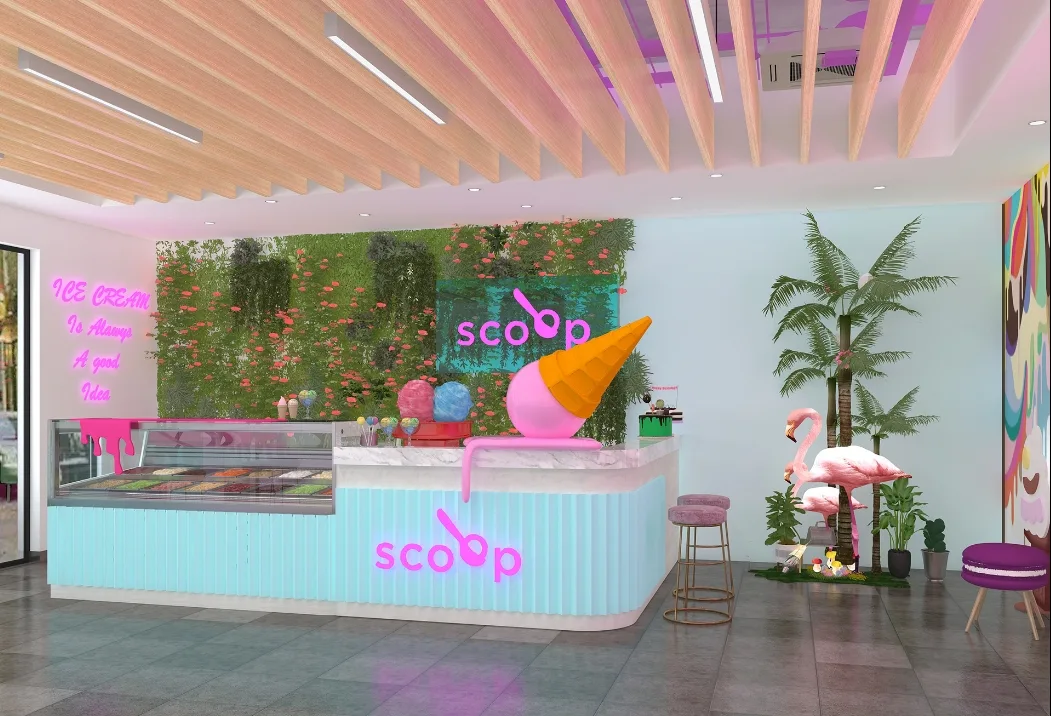
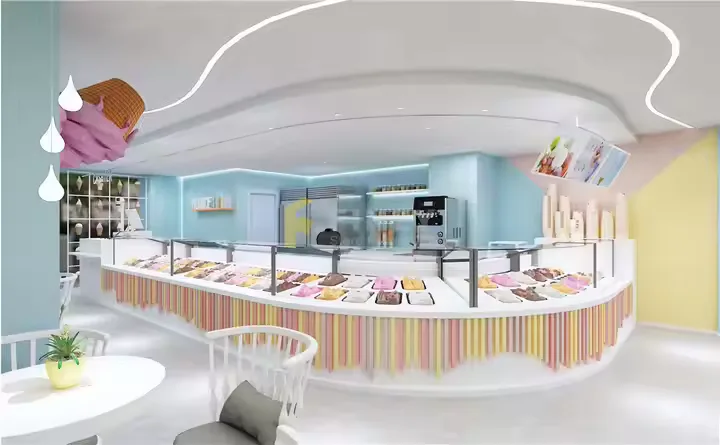
Artistic ice cream shop fixture custom ice cream sculpture color bar with high chairs commercial furniture for sale
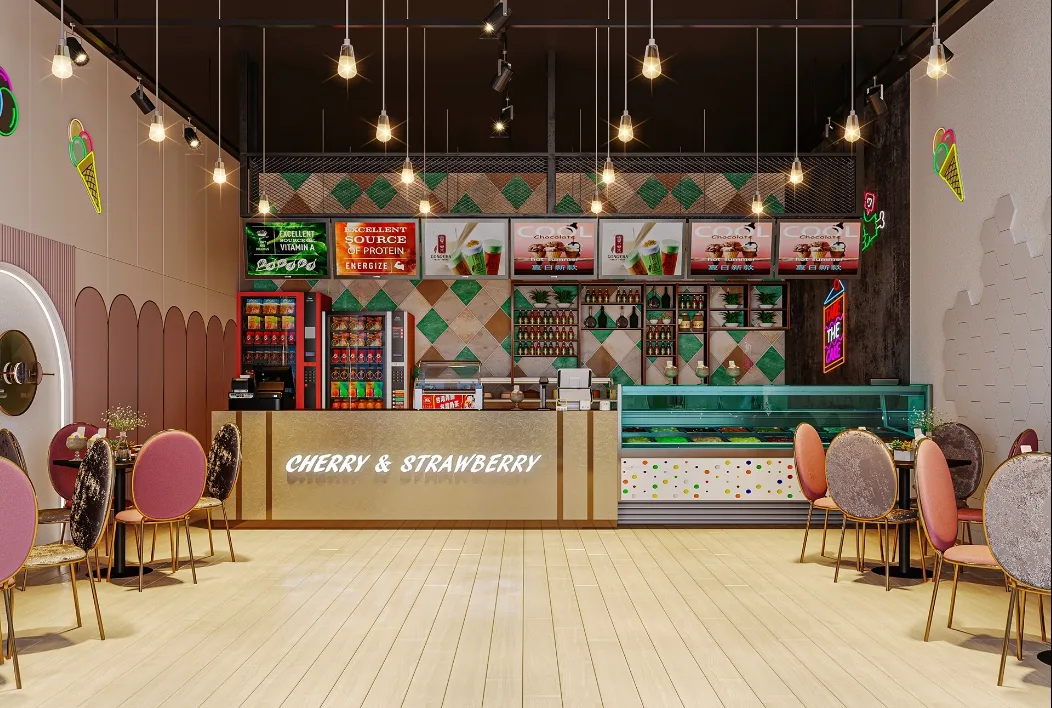
Retro and funny ice cream shop 3d interior design Strawberry and cherry stainless steel bar counter for sale
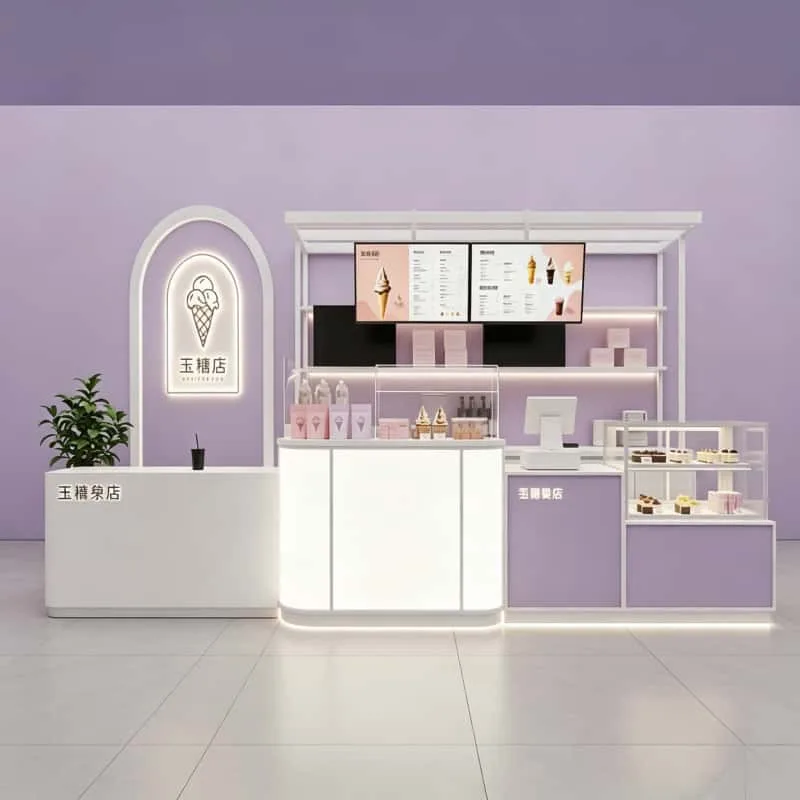
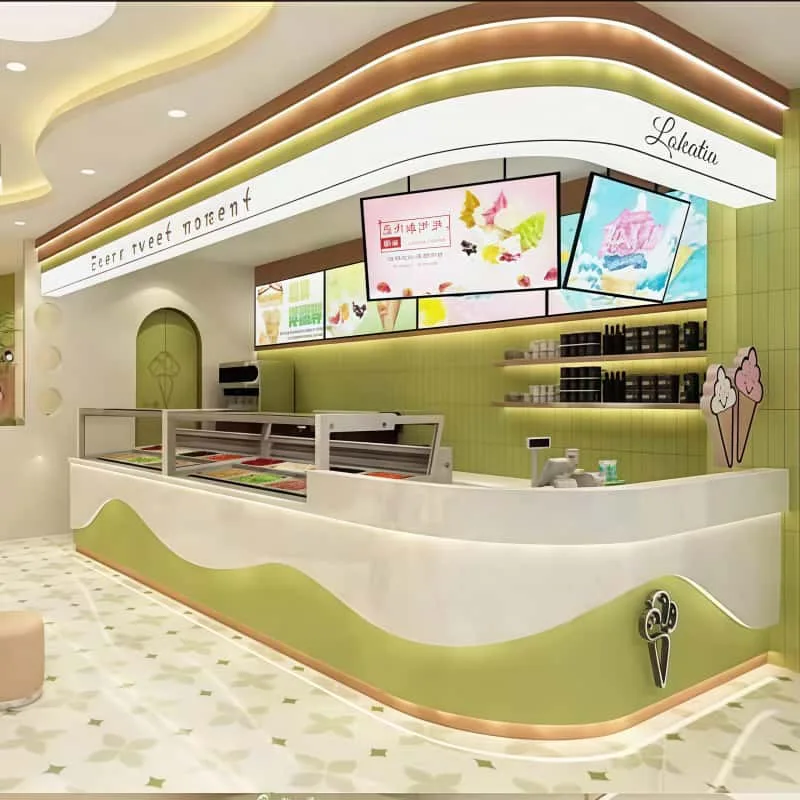
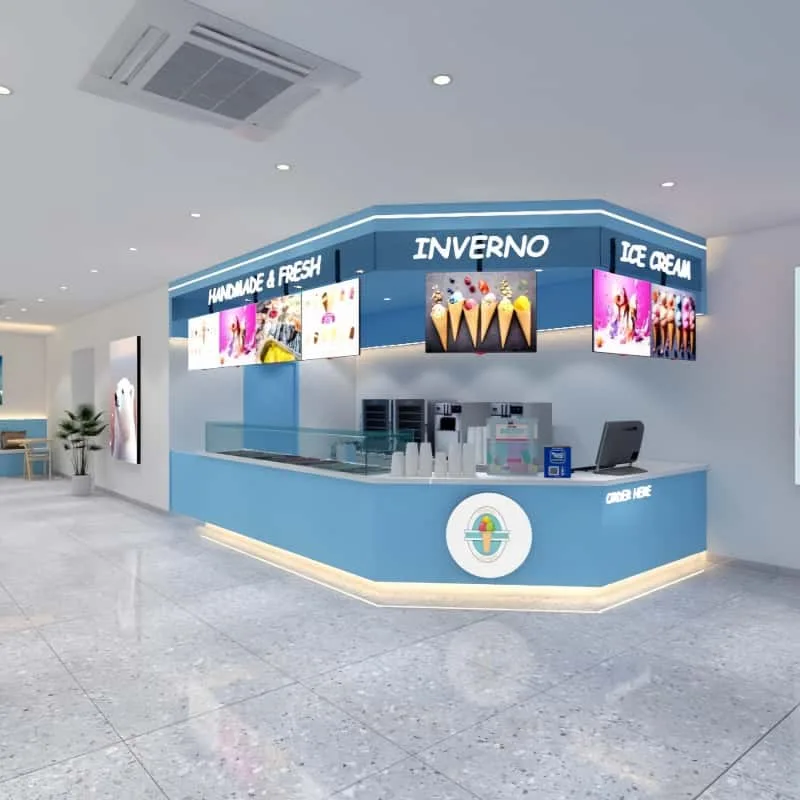
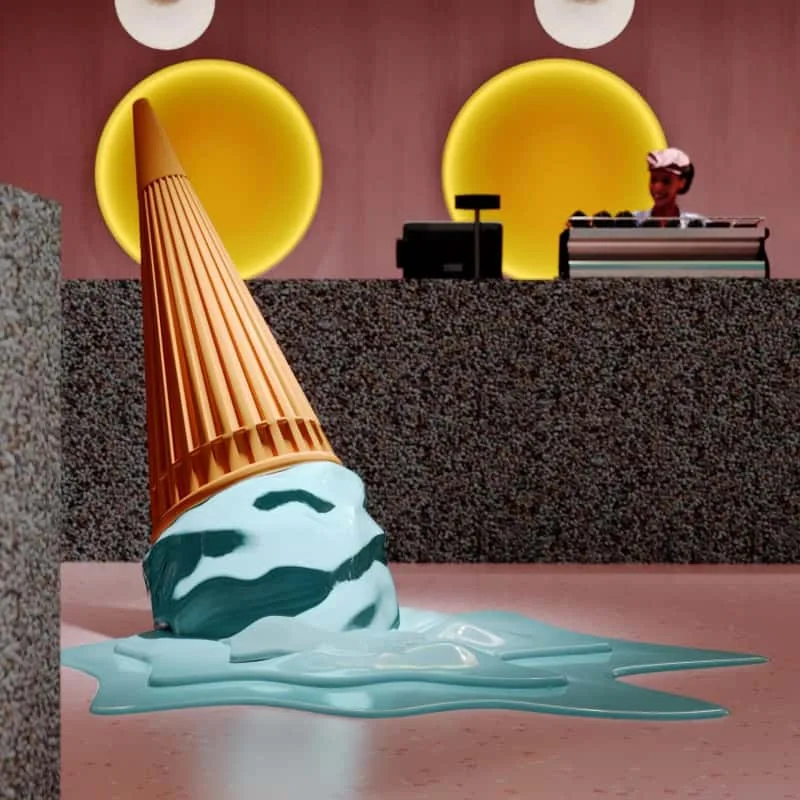
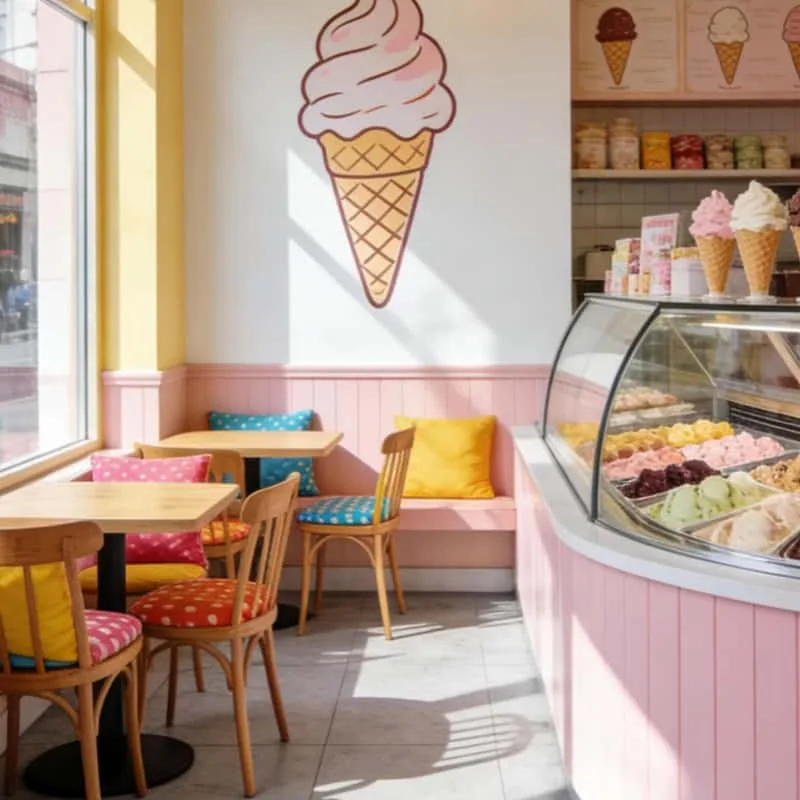
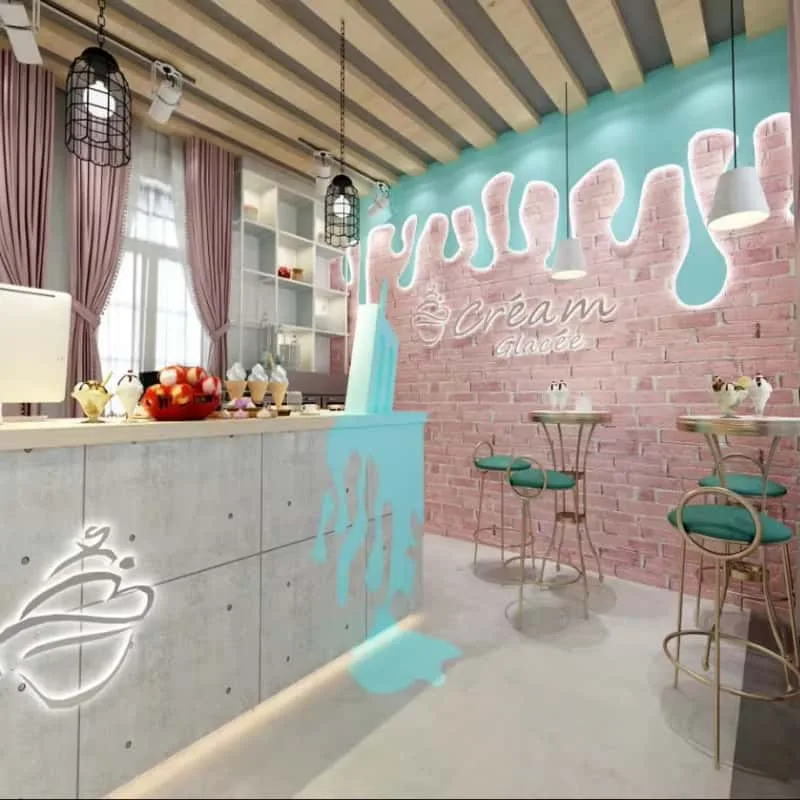
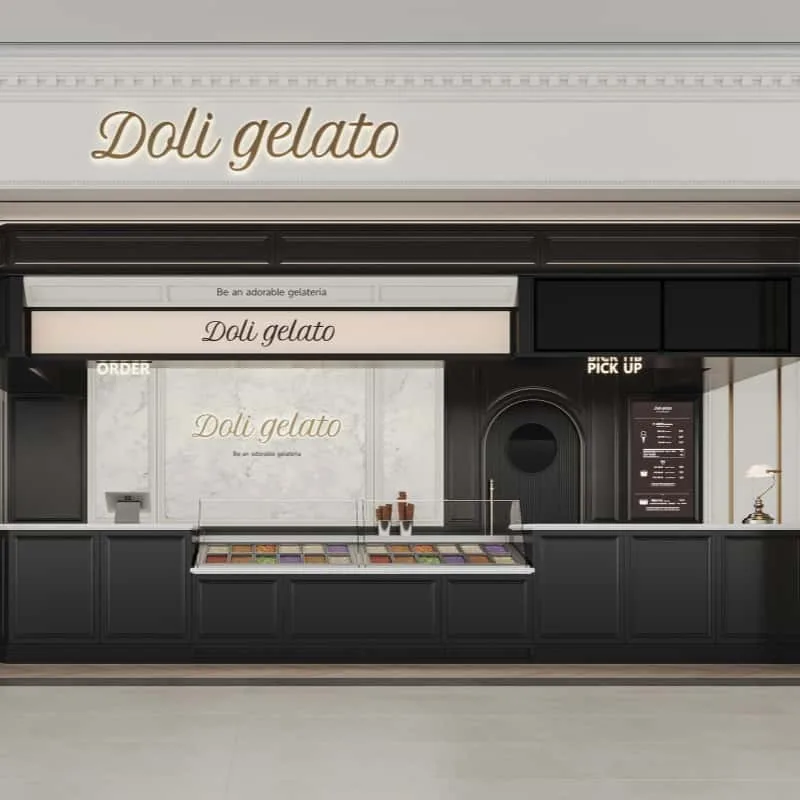
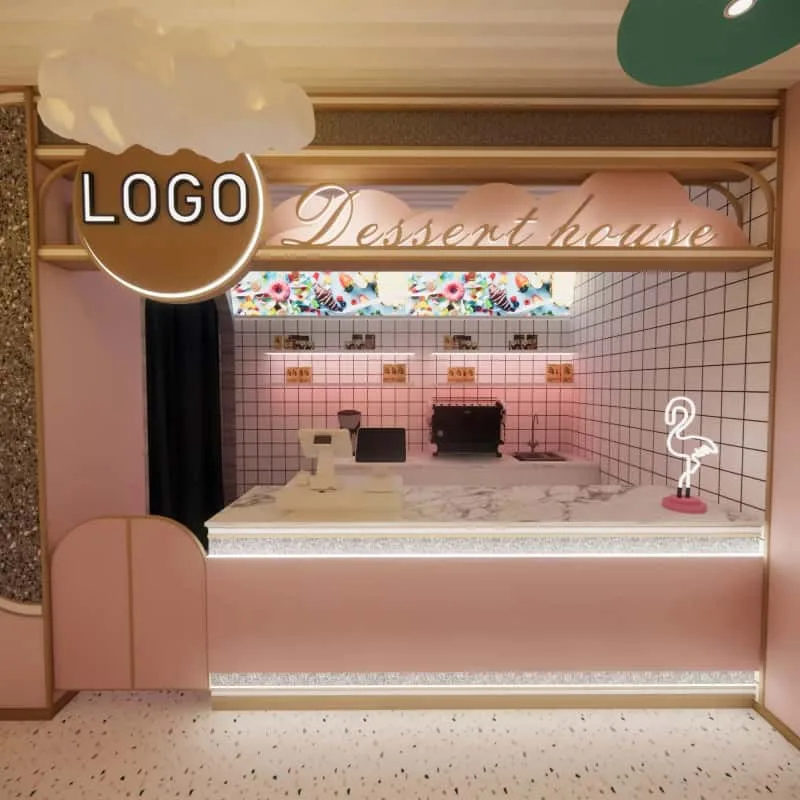
Here in Benson Display, we delve into the multifaceted world of ice cream shop counters, examining their diverse forms, materials, and purposes. Whether a business owner seeks a nostalgic vintage setup, a high-tech self-serve station, or a portable cart for seasonal events, understanding the nuances of counter design is crucial. Ultimately, the counter serves as both a stage and a workstation. It invites customers to indulge their senses while enabling staff to deliver seamless service. We’ll break down the key elements that define ice cream counters, offering insights to help businesses make informed, creative decisions.
Types of Ice Cream Shop Counters
Ice cream counters come in many shapes and sizes, each tailored to specific operational needs and brand identities. The most common categories include traditional service counters, modern minimalist designs, mobile carts, self-serve stations, and specialized gelato displays. Each type caters to distinct environments, from bustling family-friendly parlors to chic artisanal shops.
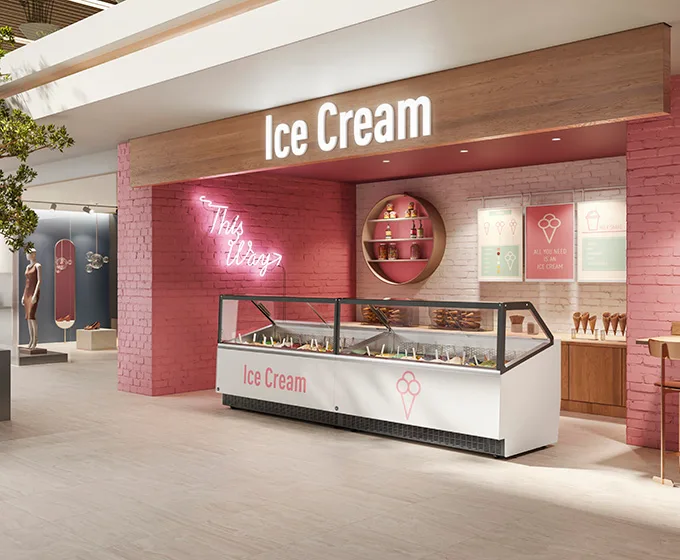
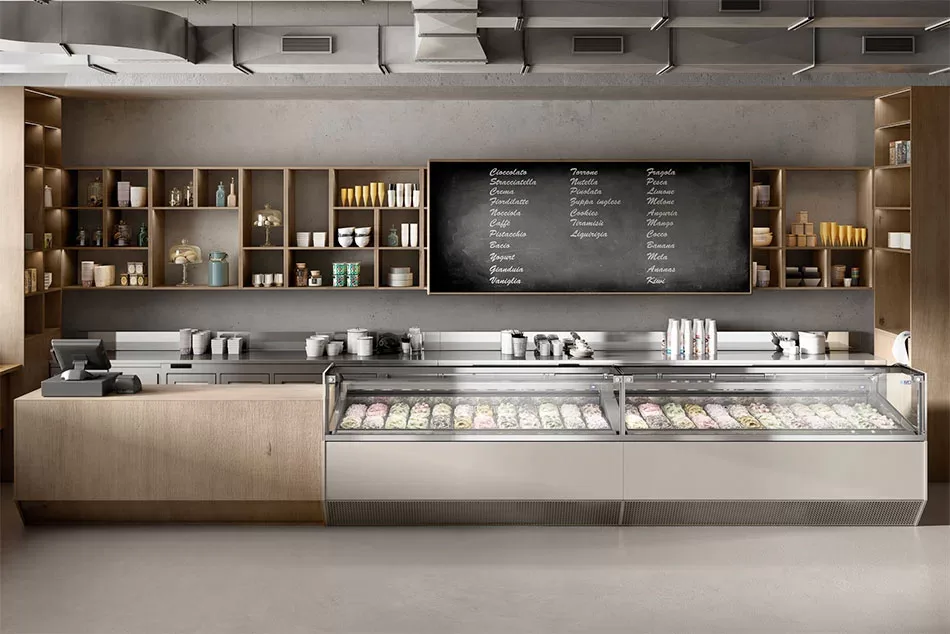
Traditional service counters, for instance, often feature curved edges, pastel hues, and retro accents like chrome trim or neon signage. These designs evoke nostalgia, appealing to customers seeking a classic ice cream parlor experience. Typically L-shaped or U-shaped, they accommodate multiple staff members and large topping bars, making them ideal for high-volume shops. Materials like stainless steel and laminate dominate these counters for their durability and ease of cleaning. In contrast, modern counters prioritize sleekness, using straight lines, tempered glass, and polished concrete to project sophistication. Integrated refrigeration and hidden storage compartments maintain a clutter-free look, aligning with the minimalist ethos of urban boutiques.
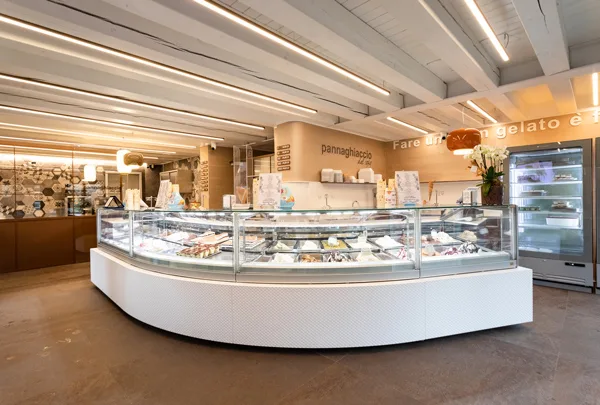
Mobile carts and kiosks represent another category, designed for flexibility and portability. Built with lightweight aluminum or weather-resistant stainless steel, these units often include foldable components or wheels for easy transport to festivals, parks, or pop-up events. While compact, they require strategic layouts to optimize limited space. Self-serve stations, meanwhile, reflect a growing trend toward automation. Equipped with touchscreens or lever-operated dispensers, these counters reduce labor costs and empower customers to customize portions. Hygiene is paramount here, necessitating antimicrobial surfaces and intuitive designs that guide queuing. Finally, gelato display cases stand apart with their shallow, sloping trays and thermal glass lids, which preserve the delicate texture of Italian-style gelato while showcasing its vibrant colors.
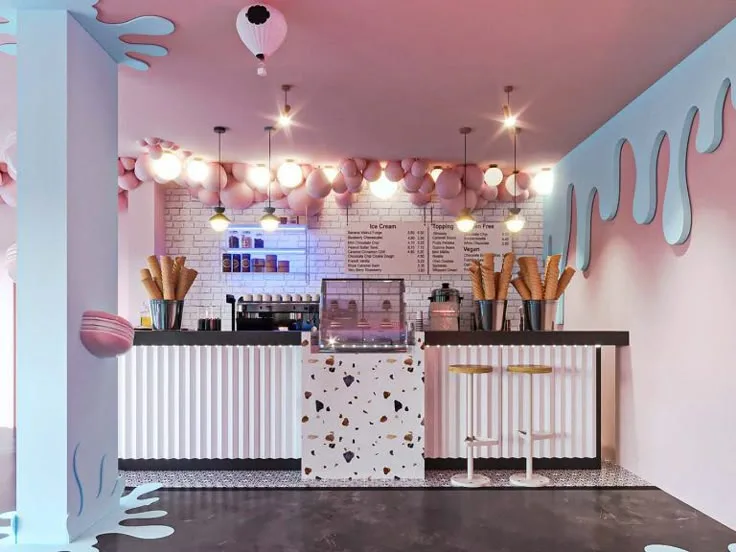
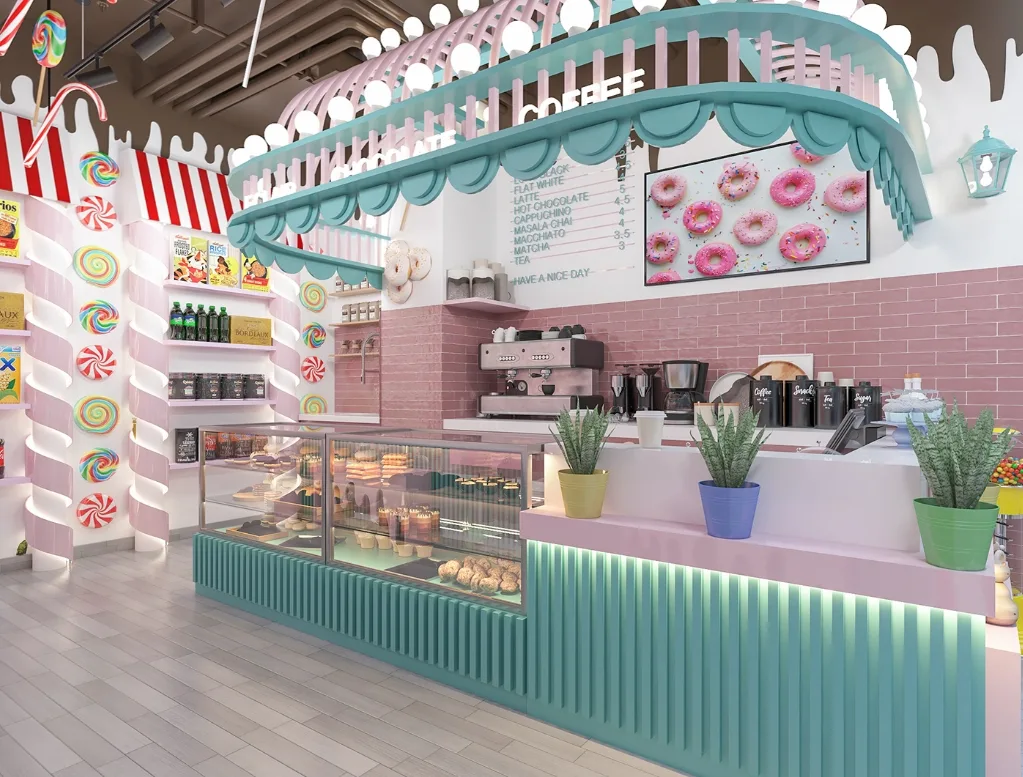
Design Considerations
Designing an ice cream counter requires a careful balance of aesthetics, ergonomics, and practicality. The layout, for example, directly impacts workflow efficiency. A linear counter may suit small spaces, while a circular or modular design encourages social interaction in larger venues. Staff should have easy access to registers, storage, and serving tools to minimize movement during rushes. Additionally, the counter’s height—typically between 36 and 42 inches—must accommodate both standing employees and seated customers, ensuring comfort during extended shifts.
Aesthetic choices are equally critical, as the counter acts as a visual anchor for the brand. A whimsical, family-oriented shop might embrace bright colors, playful patterns, and nostalgic decor like checkerboard floors or candy-striped awnings. Conversely, an artisanal gelateria could opt for industrial elements like exposed brick, concrete surfaces, and Edison bulbs to underscore craftsmanship. Lighting plays a pivotal role here: warm tones create a cozy ambiance, while cool LEDs highlight product displays and convey modernity. Materials also contribute to the theme—reclaimed wood adds rustic charm, whereas glossy acrylic or composite stone exudes contemporary elegance.
Ergonomics and accessibility should never be overlooked. Knee spaces beneath the counter allow staff to sit when needed, reducing fatigue, while strategically placed shelving keeps toppings and utensils within arm’s reach. For customers, clear signage and intuitive layouts—such as separating the ordering and payment zones—prevent bottlenecks. Even small details, like rounded edges to prevent injuries or slip-resistant flooring, enhance safety and usability.
Materials Deep Dive
The choice of materials for an ice cream counter hinges on durability, maintenance, and aesthetic alignment. Stainless steel remains a popular option due to its resistance to corrosion, heat, and moisture. Easy to sanitize, it’s ideal for high-traffic environments, though its industrial look may clash with rustic or vintage themes. Wood, on the other hand, offers warmth and versatility. Reclaimed timber or butcher block surfaces can evoke a cozy, organic vibe, but they require regular sealing to prevent warping or bacterial growth—making them better suited for low-moisture areas.
Stone and concrete counters provide a luxurious, heat-resistant surface, often used in upscale shops to convey sophistication. However, their weight and cost can be prohibitive, and porous materials like marble may stain if not properly treated. Glass, particularly tempered or thermal varieties, is prized for its sleek appearance and ability to showcase products. Glass-fronted freezers or display lids allow customers to view flavors without opening compartments, though frequent cleaning is needed to maintain clarity. Acrylic and composite materials offer a middle ground: lightweight, customizable, and available in vibrant colors or branded designs. While less durable than steel or stone, they are cost-effective for businesses seeking bold visual statements.
Each material has trade-offs. For instance, a mobile cart might prioritize lightweight aluminum for portability, sacrificing the heft of stainless steel. A self-serve station, meanwhile, could use antimicrobial acrylic to meet hygiene standards. Business owners must weigh factors like budget, maintenance effort, and brand image when selecting materials.
Styles and Themes
Ice cream counters often reflect broader interior design themes, reinforcing the shop’s personality. Retro styles, for example, lean into 1950s Americana with chrome accents, vinyl stools, and neon signage. These designs appeal to customers craving nostalgia, often paired with checkerboard floors and pastel color palettes. Topping bars might feature mason jars or vintage-inspired containers, while menu boards use cursive fonts to evoke a bygone era.
Industrial themes embrace raw, unfinished elements like exposed ductwork, concrete countertops, and metal shelving. Edison bulbs and pendant lights add warmth to the otherwise utilitarian aesthetic, creating a contrast that highlights artisanal products. This style suits urban locations aiming to attract a trendy, adult demographic. Rustic designs, conversely, emphasize natural materials like weathered wood, stone, and woven baskets. Chalkboard menus, mason jar lighting, and floral accents cultivate a farmhouse charm, ideal for shops promoting organic or locally sourced ingredients.
Futuristic styles push boundaries with technology-driven features. Interactive touchscreens, motion-activated faucets, and holographic menu displays cater to tech-savvy customers. These counters might use LED-lit glass panels or sleek metallic finishes to create a cutting-edge vibe. Some even incorporate AI-driven recommendation systems or QR code ordering, blending innovation with convenience.
Price Factors
The cost of an ice cream counter varies widely based on materials, size, and customization. Prefabricated stainless steel units typically start around $2,000, offering durability at a lower price point. However, custom designs with intricate details, like hand-painted tiles or engraved logos, can be more expensive.
Size is another critical factor. A compact 6-foot counter may cost between $7,000 while sprawling setups with integrated seating or topping stations escalate quickly. Technology integrations also impact budgets: self-serve systems with portion control sensors or POS interfaces can raise expenses by 30–50%. Mobile carts, though cheaper upfront (ranging from $5,000), may require additional investments in permits, branding, or weatherproofing.
Maintenance and long-term costs should also be considered. Materials like marble or hardwood demand regular upkeep, while stainless steel and acrylic offer low-maintenance solutions. Energy-efficient refrigeration or LED lighting might incur higher initial costs but reduce utility bills over time.
Budget Ranges
Budget constraints often dictate the scope of counter-design. Economy-tier options ($5,000) include prefabricated units with basic finishes, suitable for startups or seasonal businesses. These prioritize functionality over aesthetics, using materials like laminate or powder-coated steel. Mid-range budgets ($15,000) allow for semi-custom designs, blending durability with style. For instance, a shop might opt for a stainless steel base with a quartz top or integrate subtle branding elements like colored panels.
High-end counters ($15,000+) cater to luxury brands or flagship stores. These bespoke designs might feature imported stone, custom cabinetry, or advanced tech integrations like digital menu boards. Artisanal details, such as handcrafted mosaics or designer lighting, elevate the space into a visual masterpiece. While costly, such investments can differentiate a brand in competitive markets.
Conclusion
An ice cream shop counter is a harmonious blend of artistry and utility, where every detail contributes to the customer journey. From material choices that withstand daily wear to layouts that optimize workflow, each decision shapes the shop’s efficiency and appeal. Whether embracing the charm of a retro design or the innovation of a self-serve kiosk, business owners must align their counters with their brand’s ethos and operational needs.
By thoughtfully considering factors like style, budget, and durability, entrepreneurs can create spaces that delight customers and empower staff. In an industry where presentation is as important as taste, the counter becomes more than a functional fixture—it’s a storyteller, inviting patrons to savor not just ice cream, but an unforgettable experience.